Backed By MeMeraki Promise
Authenticity • Safe Delivery • Easy Resolution
Backed By MeMeraki Promise
Authenticity • Safe Delivery • Easy Resolution
The MeMeraki Promise
-
We'll make it right
We work hard to ensure every order goes smoothly. In the rare event something doesn't go as planned, our team will work with you until the issue is resolved.
-
Certified authentic handmade art
Every artwork is 100% handmade by skilled Indian artists backed and comes with a certificate of authenticity. We never sell unlicensed mass-produced prints.
-
Damage-free packaging
Every artwork is professionally packed using protective materials to minimise the risk of damage from moisture, handling, and transit.
-
Safe and secure delivery
Receive tracking updates as soon as your artwork is dispatched. High-value orders include OTP-verified delivery for added peace of mind.
-
Transparent making and delivery timelines
Know what to expect before you order. Every artwork includes an estimated production and delivery timeline, with WhatsApp updates as it progresses from the artist's studio to your home.
-
Verified artists
Every artist on MeMeraki is personally vetted by our team for authenticity, craftsmanship, and quality, so you can buy with confidence.
-
Expert human support
From helping you choose the right artwork to ensuring it arrives safely at your doorstep, our art advisors are with you every step of the way.
-
Picture verification before dispatch
Before your artwork leaves our studio, we'll share photographs of the finished piece so you know exactly what is being shipped.
-
Buy from anywhere
Whether you're in India or overseas, we'll safely deliver your artwork to your doorstep with trusted logistics partners.
-
Artisan-first commitment
Artists receive the price they deserve. MeMeraki ensures partner artists are paid fairly and on time, with payments processed within 15 days of order dispatch.
-
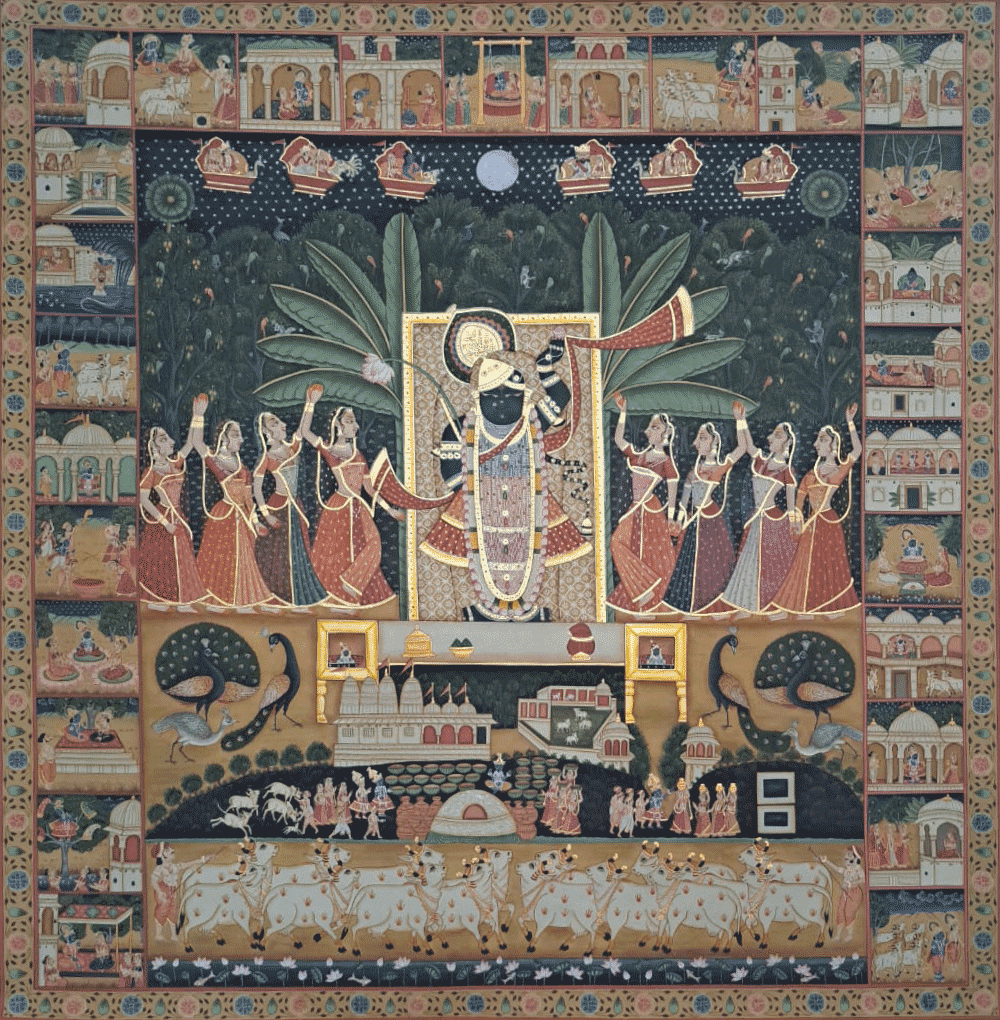
![Sharad Poornima (merged with Daan Leela and Annakoot) in Pichwai by Shehzaad Ali Sherani]()

![Sharad Poornima (merged with Daan Leela and Annakoot) in Pichwai by Shehzaad Ali Sherani Thumbnail]()

-
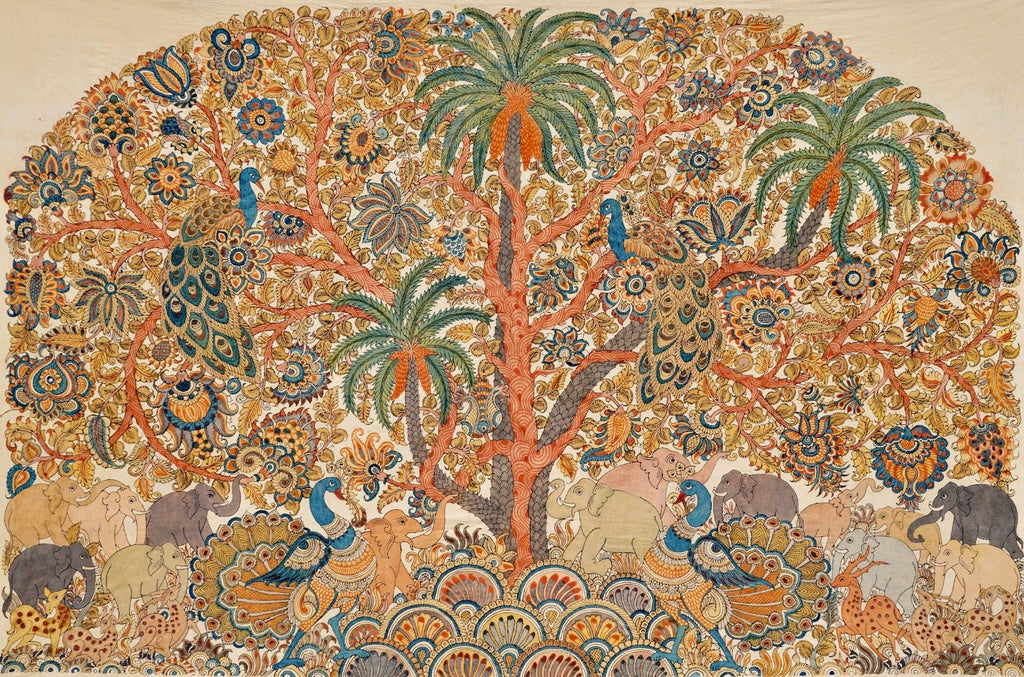
![Shop The Canopy of Nature: Tree of Life and Fauna in Kalamkari painting by Harinath.N]()

![The Canopy of Nature: Tree of Life and Fauna in Kalamkari painting by Harinath.N Thumbnail]()
-
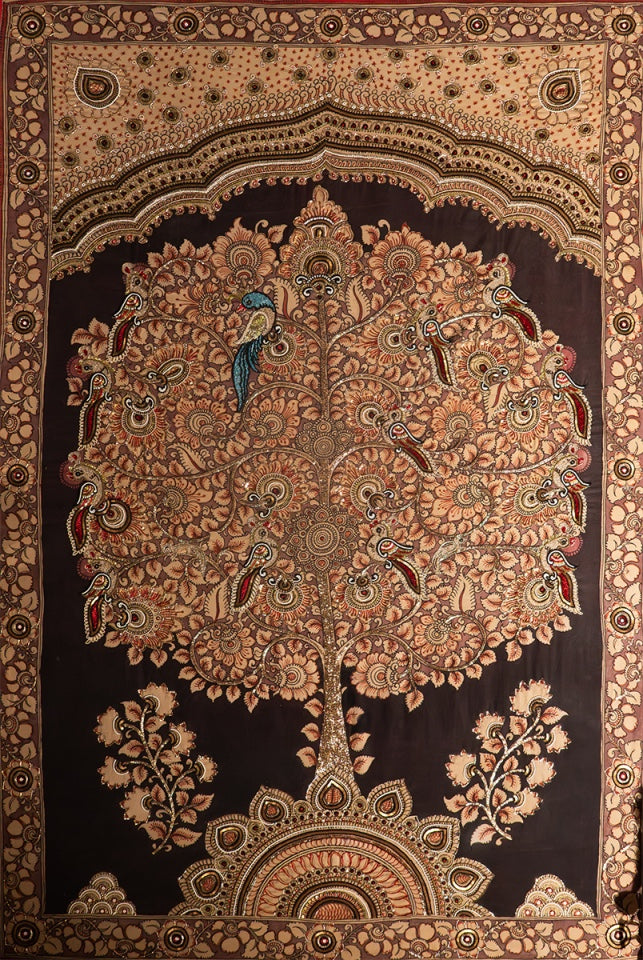
![Shop LIVING ROOTS, SHARED HARVESTS KALAMKARI ZARDOZI ARTWORK BY SUDHEER AND MD. BILAL]()

![LIVING ROOTS, SHARED HARVESTS KALAMKARI ZARDOZI ARTWORK BY HARINATH N AND MD. BILAL Thumbnail]()
-

-
SOLD OUT
![The Lion's Pride: Majestic Cats in Gond by Gareeba Tekam-Handpainted Artwork]()

![The Lion's Pride: Majestic Cats in Gond by Gareeba Tekam Thumbnail]()
-
![Goddess Lakshmi with Fourteen Shaktis in Mata ni Pachedi by Anita Ben & Vasant Manubhai Chitara-Handpainted Artwork]()

![Goddess Lakshmi with Fourteen Shaktis in Mata ni Pachedi by Anita Ben & Vasant Manubhai Chitara Thumbnail]()
-
![The Streak of Tigers: A Gond Painting by Gareeba Singh Tekam-Handpainted Artwork]()

![The Streak of Tigers: A Gond Painting by Gareeba Singh Tekam Thumbnail]()
-
![The Ivory Foliage: Tree of Life in Stone Dust painting by Amita Sachdeva-Handpainted Artwork]()

![The Ivory Foliage: Tree of Life in Stone Dust painting by Amita Sachdeva Thumbnail]()
-
![Ardhanarishvar in Kerala Mural by Adarsh-Handpainted Artwork]()

![Ardhanarishvar in Kerala Mural by Adarsh Thumbnail]()
-
![This mesmerizing artwork is a blend of two styles - Zardosi and Mata ni Pachedi.-Handpainted Artwork]()

![This mesmerizing artwork is a blend of two styles - Zardosi and Mata ni Pachedi. Thumbnail]()
-
![Chaurasi Yoni in Gond by Kailash Pradhan-Handpainted Artwork]()

![Chaurasi Yoni in Gond by Kailash Pradhan Thumbnail]()
-
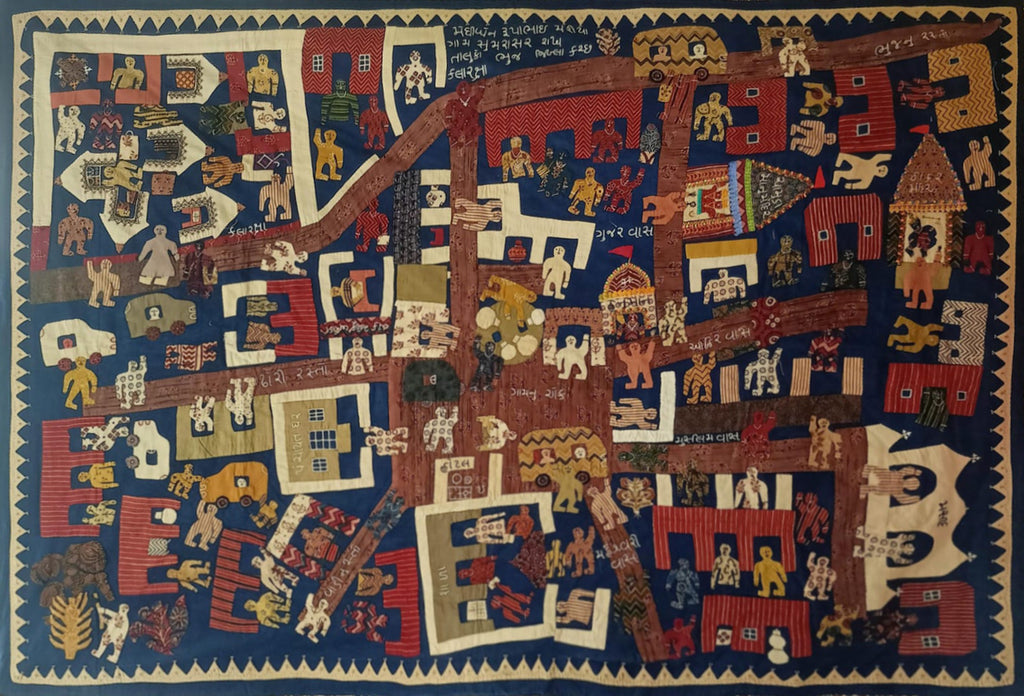
![Buy Sumrasar In Applique by Kala Raksha]()
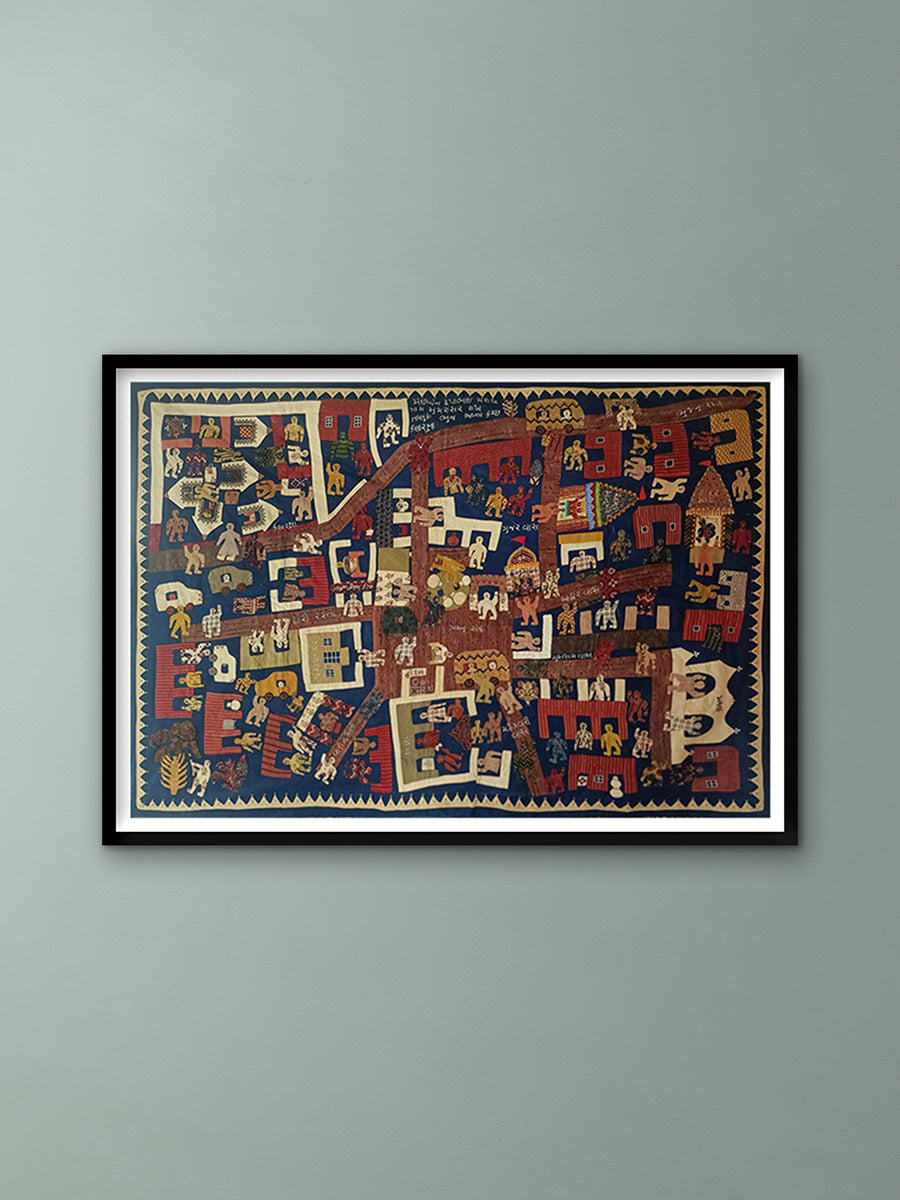
![Sumrasar In Applique by Kala Raksha Thumbnail]()
-
![Perennial Pink: Tree of Life in Stone Dust by Amita Sachdeva-Handpainted Artwork]()

![Perennial Pink: Tree of Life in Stone Dust by Amita Sachdeva Thumbnail]()
-
![Ram Darbar: Pattachitra's Divine Portrait by Purusottam Swain for sale]()

![Art - Pattachitra Art by Purusottam Swain for Home Decor Thumbnail]()
-
![Shop Ananthasayanam, Kerala Mural Painting by V.M Jijulal]()

![Ananthasayanam, Kerala Mural Painting by V.M Jijulal Thumbnail]()
-
![Buy Flying Birds in Warli by Dilip Bahotha]()

![Flying Birds in Warli by Dilip Bahotha Thumbnail]()
-
![Shop The Jungle Life in Kalamkari by Harinath N]()

![The Jungle Life in Kalamkari Inspired Art by Harinath N Thumbnail]()
-
![Shop An Ode to Mumbai in Madhubani by Avinash Karn]()

![An Ode to Mumbai in Madhubani by Avinash Karn Thumbnail]() 48 in X 36 in
48 in X 36 in- Regular
-
 Request Price
Made To Order CanvasAn Ode to Mumbai in Madhubani by Avinash Karn
- Regular
-
Request Price
-
![Shop The Streak of Tigers: A Gond Painting by Gareeba Singh Tekam]()

![The Streak of Tigers: A Gond Painting by Gareeba Singh Tekam Thumbnail]()
-
![The Lion's Pride: Majestic Cats in Gond by Gareeba Tekam-Handpainted Artwork]()

![The Lion's Pride: Majestic Cats in Gond by Gareeba Tekam Thumbnail]()
-
![The Family of Lions in Gond by Gareeba Tekam-Handpainted Artwork]()

![The Family of Lions in Gond by Gareeba Tekam Thumbnail]()
-
![Flying Birds in Warli by Dilip Bahotha-Handpainted Artwork]()

![Flying Birds in Warli by Dilip Bahotha Thumbnail]()
-
![Tree of Life in Mata ni Pachedi by Sanjay Chittara-Handpainted Artwork]()

![Tree of Life in Mata ni Pachedi by Sanjay Chittara Thumbnail]()
-
![Floral Symphony-Home Decor]()

![Floral Symphony Thumbnail]()
-
![Floral Extravagance: Tree of Life in Stone Dust painting by Amita Sachdeva-Handpainted Artwork]()

![Floral Extravagance: Tree of Life in Stone Dust painting by Amita Sachdeva Thumbnail]()
-
![]()

![Green Floral Paper Mache Vase by Riyaz Khan Thumbnail]()
-
![Shop Pichwai painting by Jayesh Sharma]()

![Sacred Journey:Pichwai painting by Jayesh Sharma Thumbnail]()
-
Save ₹16,500
![Pieces in Gond by Sandeep Dhurve-Handpainted Artwork]()

![Pieces in Gond by Sandeep Dhurve Thumbnail]()
-
![buy Pankaj Kumar's Raas Leela Usta Miniature Painting]()

![Mystical World of Devotion: Pankaj Kumar's Raas Leela Usta Miniature Painting Thumbnail]()
-
![Beginner In Thangka Painting by Krishna Tashi Palma-Handpainted Artwork]()

![Beginner In Thangka Painting by Krishna Tashi Palma Thumbnail]()
-
![Order Spiti Monastery: Thangka Painting by Krishna Tashi Palmo]()

![Spiti Monastery: Thangka Painting by Krishna Tashi Palmo Thumbnail]()