What is Kalighat Painting?
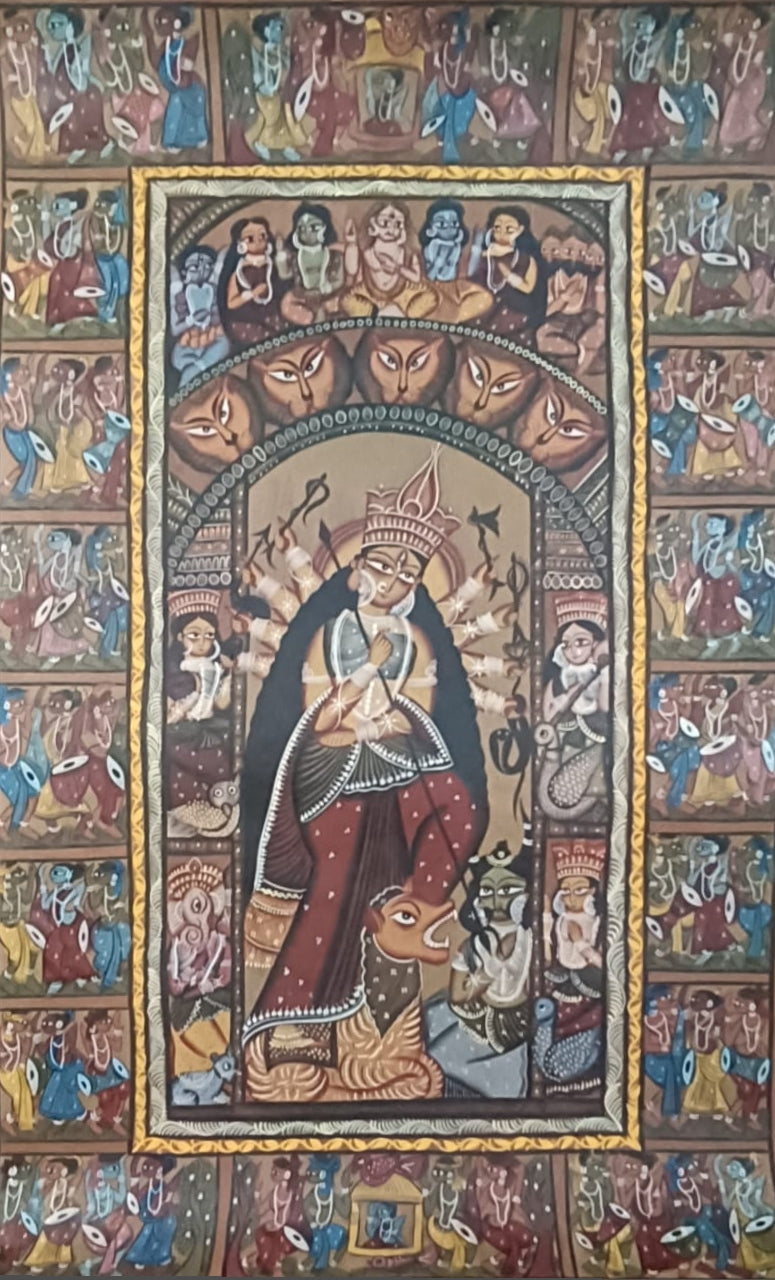
Kalighat Painting is a traditional Indian folk art form that originated in 19th-century Kolkata, West Bengal, around the famous Kalighat Temple. Created by the patua community of artists, these paintings were initially made as affordable souvenirs for pilgrims and soon evolved into a distinctive style celebrated for its bold brushwork, expressive figures and minimalistic compositions. While rooted in religious themes depicting Hindu deities, Kalighat paintings gradually expanded to portray scenes from everyday life, social satire and contemporary society.
Explore authentic Kalighat paintings handcrafted by skilled patua artists from West Bengal, celebrating one of India's most iconic folk painting traditions. From expressive depictions of Kali, Durga, Krishna, Ganesha, and other Hindu deities to the celebrated Babu-Bibi series, symbolic animal motifs, and scenes of everyday life, discover handmade Kalighat artworks that blend bold brushwork with timeless storytelling. Whether you're looking to buy Kalighat paintings online for home decor, gallery walls, gifting, or your art collection, each handcrafted artwork reflects the elegance, cultural heritage, and distinctive visual language that have defined Kalighat Painting for generations.
Key Features of Kalighat Painting
Kalighat paintings are rich in cultural symbolism and narrative expression. Some defining features of this art form include:
- Bold and Fluid Brushstrokes
- Expressive Human and Divine Figures
- Minimalistic Backgrounds
- Vibrant and Opaque Colours
- Depictions of Hindu Mythology and Deities
-
Social Satire and Everyday Life Themes
- Strong Contours and Graceful Forms
- Handmade Paper and Traditional Water-Based Colours
- Blend of Folk Tradition and Urban Culture
- Narrative Storytelling Through Simple yet Striking Compositions
History of Kalighat Painting
Origin of Kalighat Painting
Kalighat Painting originated in the early 19th century in the Kalighat neighbourhood of Kolkata, West Bengal, around the revered Kalighat Temple. It was developed by the patua community of artists, who created hand-painted images of Hindu deities and mythological scenes as affordable souvenirs for pilgrims visiting the temple.
Evolution of Kalighat Painting
As Kolkata grew into a thriving colonial metropolis, Kalighat Painting evolved beyond religious imagery to reflect the changing social and cultural landscape of the city. Artists began depicting scenes of everyday life, contemporary fashion, colonial influences, and social satire, creating works that commented on society with wit and humour. This transition transformed Kalighat Painting into one of India's earliest examples of modern popular art, bridging folk traditions with urban life.
Contemporary Kalighat Painting
Today, Kalighat Painting is recognised as one of India's most iconic folk art traditions and continues to inspire artists, collectors and designers around the world. Contemporary practitioners preserve its signature bold brushwork, expressive forms and storytelling traditions while exploring new themes and formats suited to galleries, museums and modern interiors.
Kalighat Painting Themes and Motifs
Kalighat paintings draw inspiration from Hindu mythology, religious devotion, urban life and social commentary. Through bold brushwork, expressive figures and minimalistic compositions, artists transform these themes into striking visual narratives that reflect both the spiritual and cultural landscape of 19th-century Bengal.
Hindu Deities and Mythological Narratives
Religious subjects form the foundation of Kalighat Painting. Deities such as Kali, Durga, Shiva, Lakshmi, Saraswati, Ganesha and Krishna are frequently depicted alongside scenes from the Ramayana, Mahabharata and other Hindu scriptures, making these paintings objects of both devotion and artistic expression.
Social Satire and Everyday Life
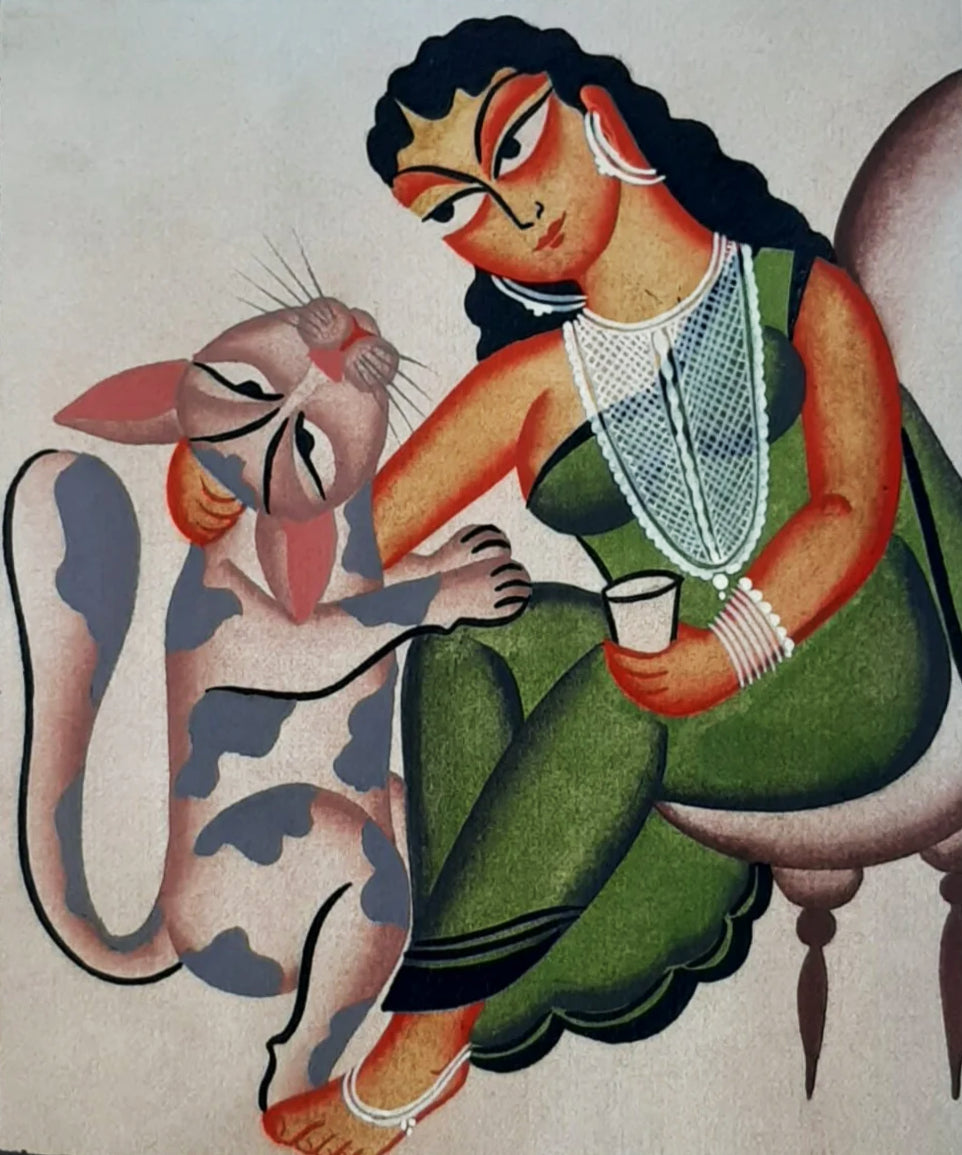
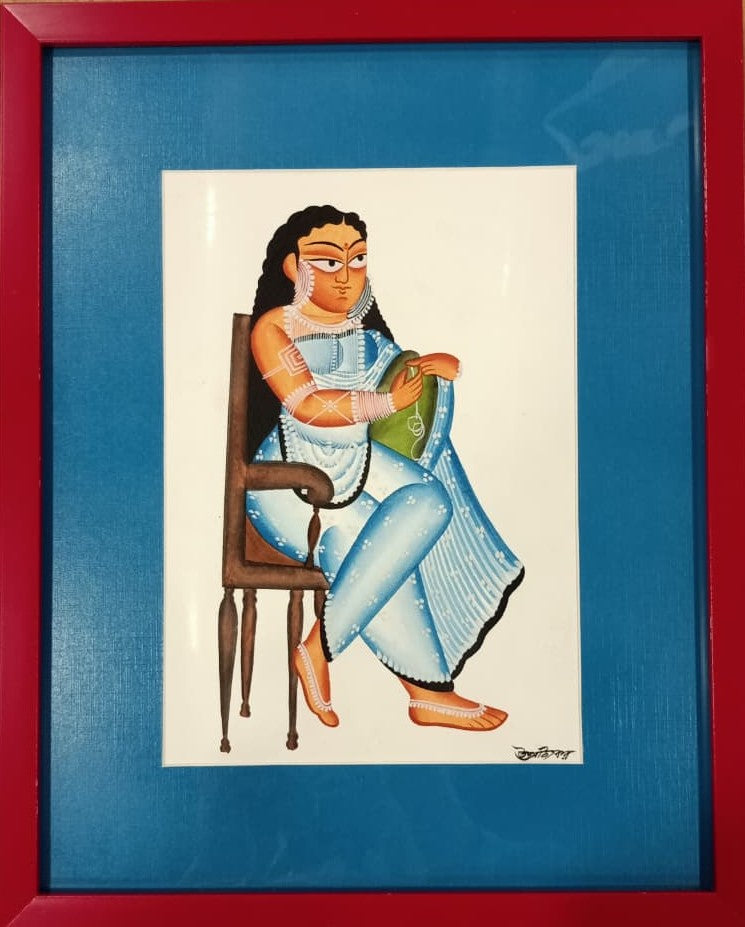
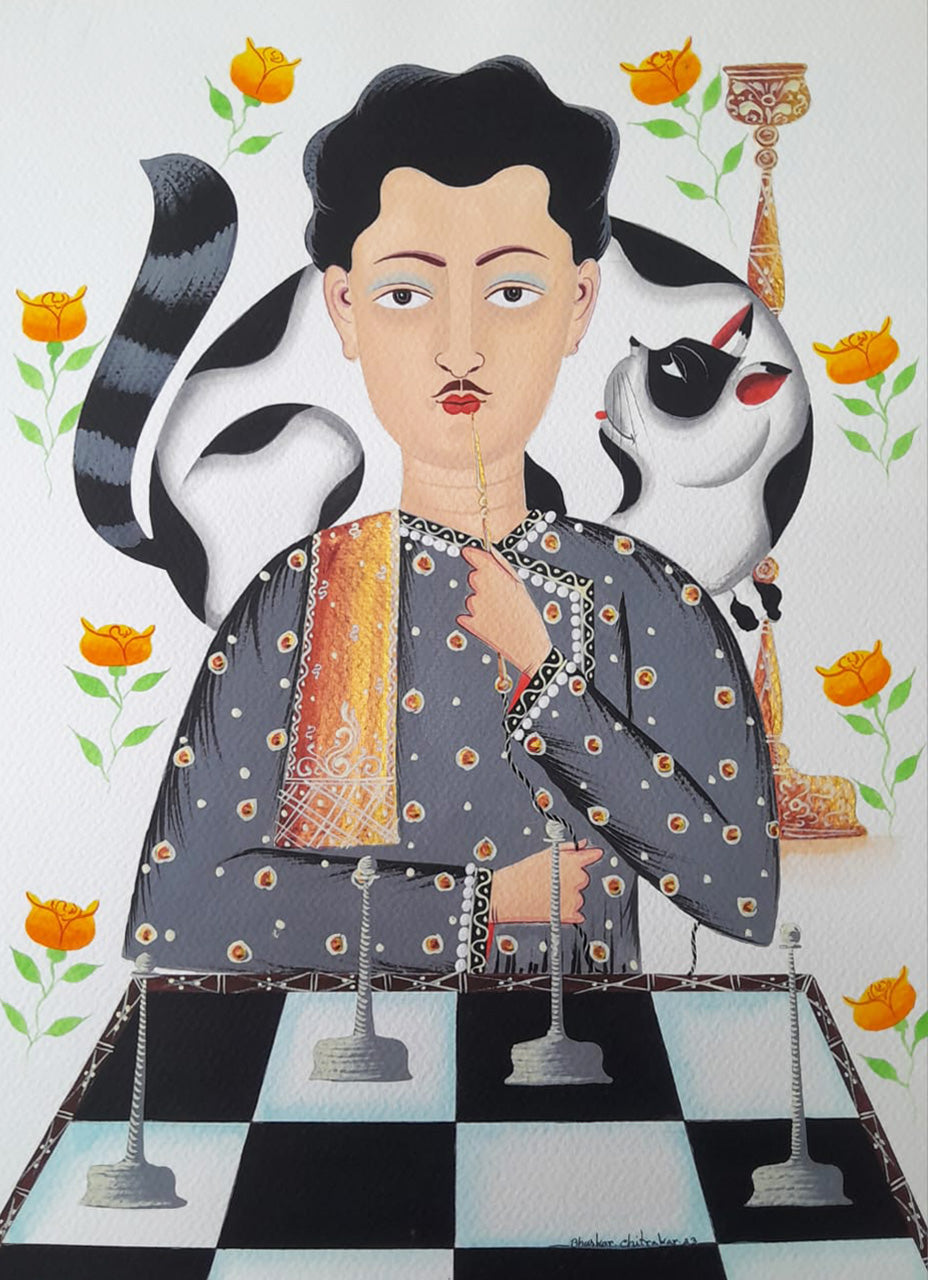
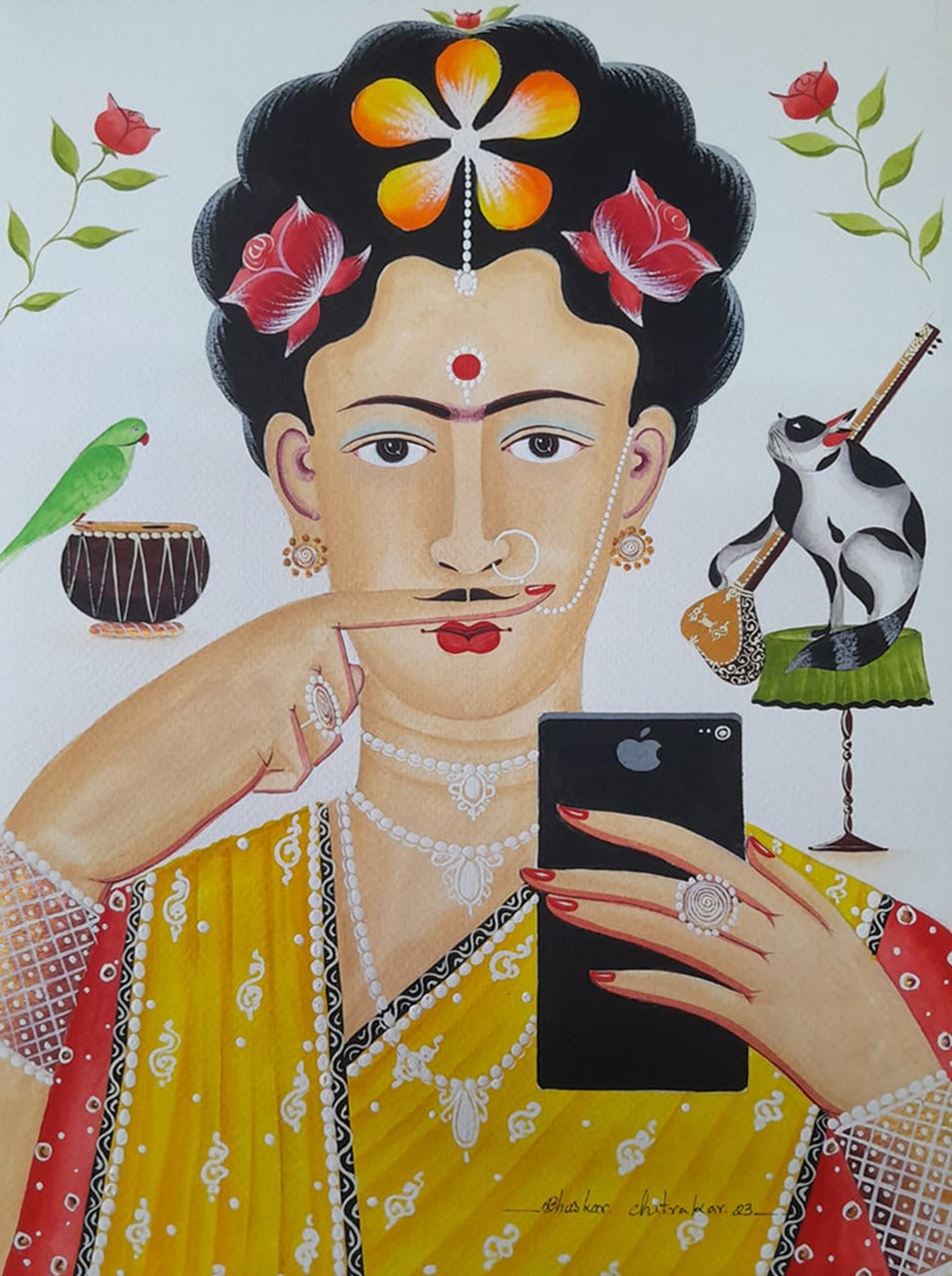
One of the defining features of Kalighat Painting is its portrayal of contemporary society in Bengal. Artists often depicted babus and bibis (the affluent urban elite), musicians, performers and scenes from everyday life, using humour and satire to comment on changing social values, colonial influence and human behaviour.
Animals and Symbolic Motifs
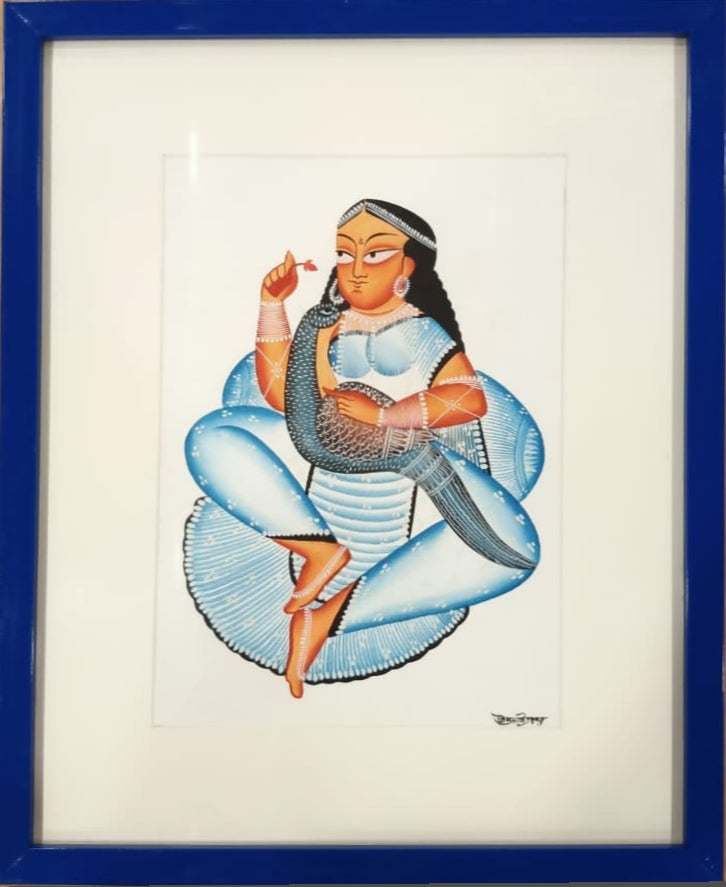
Animals such as cats, parrots, fish, peacocks, horses and goats frequently appear in Kalighat paintings, often carrying symbolic meanings or serving as characters within moral and humorous narratives. These motifs add cultural significance to the compositions.
Religious Devotion
Many Kalighat paintings were created as devotional images for pilgrims visiting the Kalighat Temple. Alongside depictions of gods and goddesses, the artworks incorporate symbols of faith, virtue and divine protection, reflecting the enduring spiritual traditions of Bengal.
Narrative Storytelling and Expressive Figures
At the heart of Kalighat Painting is the tradition of visual storytelling. Using fluid brushstrokes, graceful forms and uncluttered backgrounds, artists captured mythological episodes, moral lessons and everyday folk experiences in compositions that remain instantly recognisable for their elegance, simplicity and expressive character.
Materials Used in Kalighat Paintings
Traditionally, Kalighat artists created their paintings on handmade paper using water-based colours prepared from natural pigments, minerals, plant extracts and lamp soot. Fine brushes made from squirrel or goat hair enabled the fluid, sweeping brushstrokes that became the hallmark of the Kalighat style. While contemporary artists often use poster colours, watercolours, acrylics and archival paper or canvas, they continue to preserve the bold lines, vibrant palette and expressive techniques that define this iconic folk art.
Colours Used in Kalighat Paintings
-
Black: Traditionally prepared from lamp soot or carbon black, black is used to create the bold, fluid outlines that define Kalighat figures.
-
Red: Derived from natural pigments such as vermilion or red earth, red is widely used for garments, decorative elements and symbolic details.
-
Yellow: Traditionally obtained from yellow ochre and other natural minerals, yellow is used for jewellery, clothing, ornaments and divine figures.
-
Blue: Produced from indigo or mineral-based pigments, blue is commonly used to depict deities such as Krishna, as well as garments, decorative details and celestial elements.
-
Green: Created from plant-based or mineral pigments, green is used for foliage, nature-inspired elements and clothing.
-
Brown and Earth Tones: Prepared from natural earth pigments, these shades are used for skin tones, architectural elements, animals and other supporting details.
-
White: Traditionally sourced from chalk or powdered shells, white is used for highlights, ornaments, facial features and subtle decorative accents.
How Kalighat Painting is Made
Kalighat paintings begin with a freehand drawing created using flowing brushstrokes on handmade paper. Artists first outline the figures in bold black before applying flat washes of vibrant colour, carefully avoiding excessive detailing or background elements. The emphasis remains on graceful forms, expressive gestures and strong visual contrast, allowing the narrative to take centre stage.
Famous Kalighat Artists
Anwar Chitrakar
Anwar Chitrakar is a contemporary Kalighat artist known for his expressive interpretations of both traditional and modern subjects. His paintings feature graceful figures, animals, mythological themes and scenes from everyday life, all rendered with the bold brushwork and minimalistic compositions that define the Kalighat style.
Bapi Chitrakar
Bapi Chitrakar creates Kalighat paintings that celebrate mythology, rural life and contemporary social narratives. His works are distinguished by fluid lines, vibrant colours and expressive characters, preserving the essence of the traditional Kalighat aesthetic while presenting themes that resonate with modern audiences.
Bhaskar Chitrakar
Bhaskar Chitrakar is recognised for reimagining the classic Kalighat tradition through paintings that blend historical motifs with contemporary subjects. His artworks often feature the iconic Babu-Bibi theme, portraits and scenes from modern society, demonstrating the continuing relevance and adaptability of this historic folk art.
Hasir Chitrakar
Hasir Chitrakar is known for his devotional Kalighat paintings inspired by Hindu mythology and religious iconography. His compositions frequently depict deities such as Kali, Durga, Saraswati and Narasimha, combining bold outlines, rich colours and expressive forms to create works that are both spiritually significant and visually striking.
Manoranjan Chitrakar
Manoranjan Chitrakar is a contemporary practitioner dedicated to preserving the distinctive visual language of Kalighat Painting. His works draw upon traditional themes, folk narratives and devotional imagery while maintaining the elegant brushwork, simplified forms and storytelling traditions that have defined the art form for generations.
Sonali Chitrakar
Sonali Chitrakar is among the leading contemporary Kalighat artists, celebrated for her vibrant depictions of mythology, wildlife and Bengal's folk traditions. Her paintings range from powerful representations of goddesses to symbolic animal compositions and contemporary narratives, all executed in the bold and expressive Kalighat style.
Swarna Chitrakar
Swarna Chitrakar is a contemporary folk artist whose Kalighat-inspired works reinterpret traditional Bengali narratives through refined compositions and expressive figures. Her paintings often explore themes of relationships, culture and everyday life while remaining rooted in the characteristic simplicity and elegance of the Kalighat tradition.
Uttam Chitrakar
Uttam Chitrakar is one of the most prominent contemporary Kalighat artists, renowned for his wide-ranging body of work spanning mythology, nature, social commentary and contemporary life. His paintings preserve the hallmark bold brushstrokes, fluid contours and striking colour palette of the Kalighat tradition while continually expanding its narrative possibilities for today's audiences.
Kalighat Paintings for Home Decor
Kalighat paintings are a timeless choice for home decor, celebrated for their bold brushwork, expressive figures and elegant simplicity. Featuring themes from Hindu mythology, social life, nature and Bengal's rich cultural heritage, these artworks bring character and artistic sophistication to both contemporary and traditional interiors. Their minimalistic backgrounds and striking compositions make them ideal statement pieces that effortlessly complement a variety of decor styles.
Whether displayed in living rooms, dining rooms, bedrooms, study spaces, puja rooms, gallery walls, Kalighat paintings create captivating focal points while celebrating one of India's most iconic folk art traditions. Their handcrafted appeal and enduring visual language make them perfect for homeowners looking to incorporate meaningful art with historical and cultural significance into their spaces.
Kalighat Paintings for Gifting
Kalighat paintings make thoughtful gifts for weddings, anniversaries, housewarmings, festivals and other special occasions. Rich in artistic heritage and cultural symbolism, these handcrafted artworks combine the elegance of traditional folk painting with timeless themes, making them meaningful gifts for art lovers, collectors and cultural enthusiasts alike.
Popular subjects such as Hindu deities, mythological narratives, symbolic animals and scenes from everyday life represent devotion, wisdom, prosperity and the richness of Indian culture. Whether gifted as framed artworks or collectible folk paintings, Kalighat paintings offer a distinctive blend of history, craftsmanship and storytelling, making every piece a memorable and enduring gift.
FAQs About Kalighat Paintings
What is Kalighat Painting famous for?
Kalighat Painting is famous for its bold brushwork, expressive figures and minimalistic compositions. The art form is known for depicting Hindu deities, mythological narratives, everyday life and satirical portrayals of 19th-century Bengali society. Its distinctive visual style has made Kalighat Painting one of India's most celebrated folk art traditions.
Does Kalighat Painting have a GI Tag?
Yes. Kalighat Painting has received the Geographical Indication (GI) Tag, recognising it as a traditional folk art form unique to West Bengal. The GI tag helps preserve the authenticity of Kalighat Painting while supporting the artists and artisan communities who continue to practise and promote this historic artistic tradition.
What types of Kalighat Paintings can I buy?
Kalighat paintings are available in a wide range of themes, including depictions of Hindu deities, scenes from the Ramayana and Mahabharata, Babu-Bibi paintings, symbolic animal motifs, devotional artworks and contemporary interpretations of the traditional Kalighat style. These artworks are available in different sizes and formats, making them suitable for homes, offices and art collections.
Is Kalighat Painting suitable for home decor and gifting?
Absolutely. Kalighat paintings are ideal for living rooms, dining areas, bedrooms, study spaces, gallery walls and cultural corners. Their bold compositions, timeless themes and handcrafted appeal also make them meaningful gifts for weddings, anniversaries, housewarmings, festivals and other special occasions.
Where can I buy authentic Kalighat Paintings online?
MeMeraki's Kalighat Collection features authentic handcrafted artworks created by renowned Kalighat artists. From devotional paintings of Hindu deities and mythological narratives to symbolic animal motifs and contemporary folk art, the collection showcases the elegance, creativity and cultural richness of this iconic Bengali painting tradition.
Whether you're looking to buy traditional Kalighat paintings, mythological artworks, Babu-Bibi compositions, symbolic animal paintings or contemporary Kalighat creations, these timeless themes make Kalighat Painting a distinctive choice for home decor, gifting and art collections. MeMeraki brings you this beautiful collection to explore and shop authentic Kalighat Paintings online while celebrating one of India's most influential folk art traditions.
Show Less