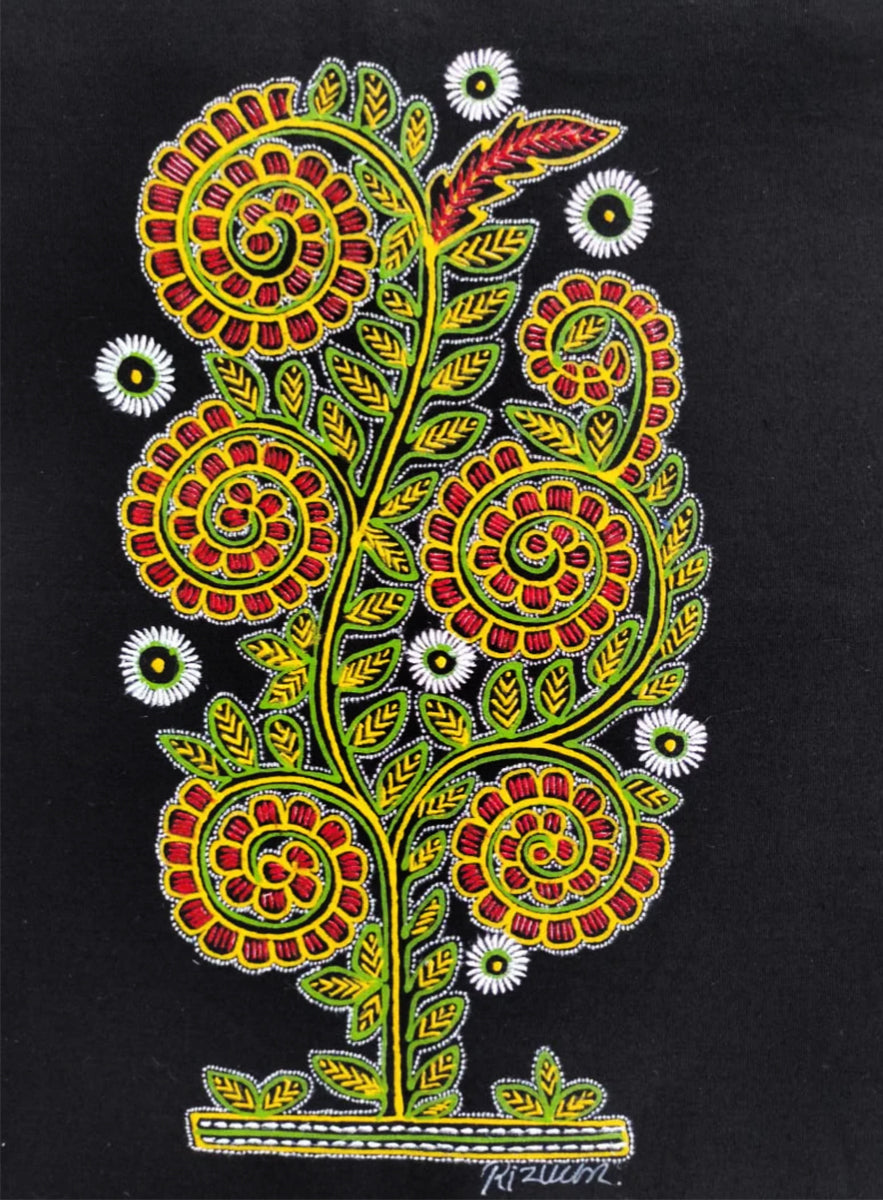
What is Rogan Art?
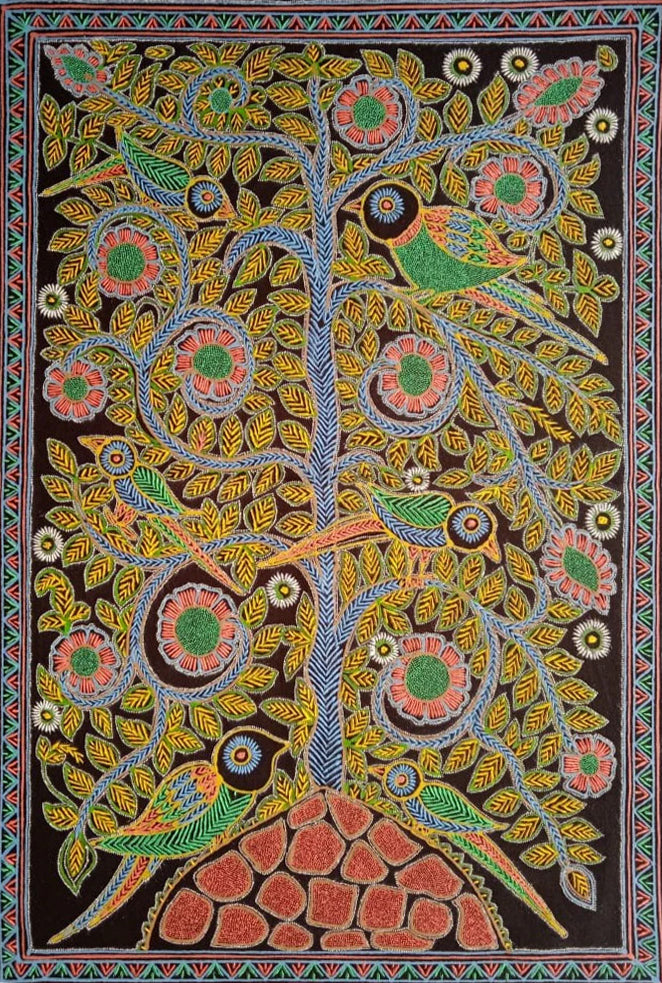
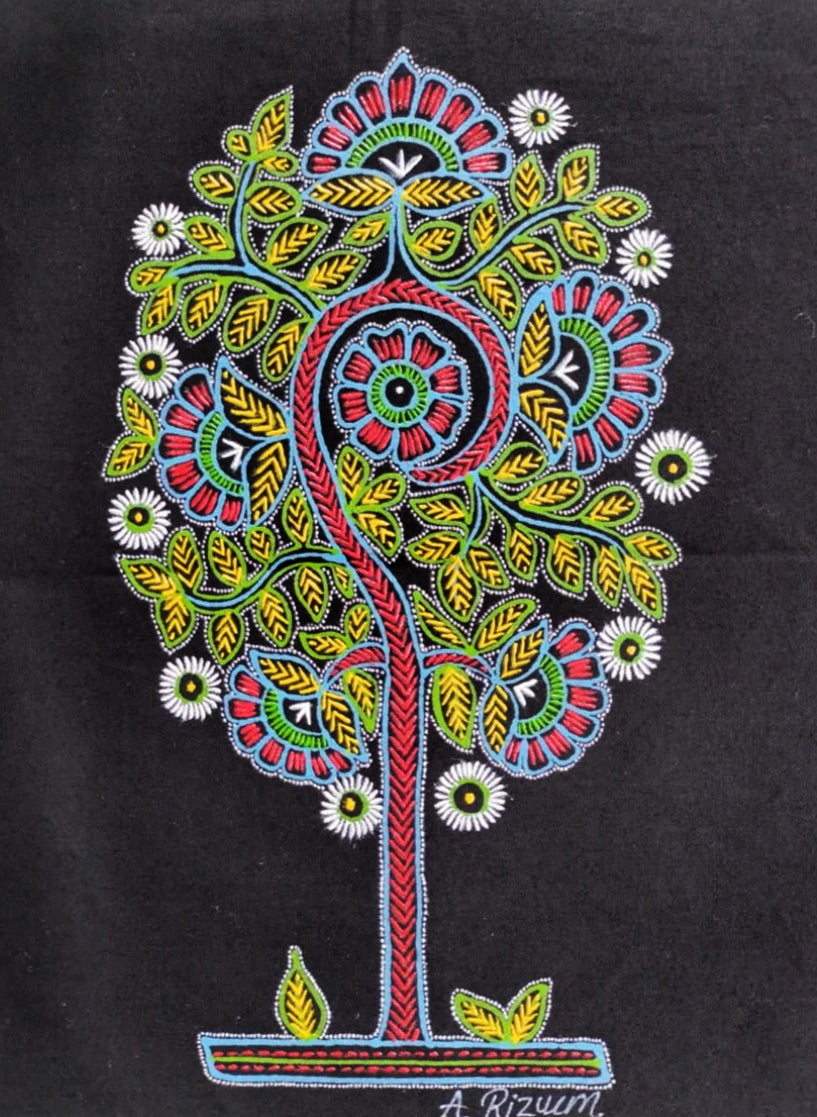
Rogan art is a rare and intricate traditional painting technique originating from the village of Nirona in the Kutch region of Gujarat. Practiced for centuries by the Khatri community, this unique art form is created by painting with a thick, naturally prepared paste made from castor oil and pigments using a stylus-like metal tool without directly touching the fabric. Rogan art draws inspiration from nature, floral patterns, the Tree of Life and traditional decorative motifs. The artform is celebrated as one of India's rarest handcrafted textile traditions, admired for its exceptional craftsmanship, cultural heritage and distinctive painting technique.
Explore authentic Rogan artworks handcrafted by master artisans from Nirona, Gujarat, preserving one of India's rarest painting traditions. From the iconic Tree of Life and intricate floral compositions to peacock motifs, birds and nature-inspired designs, discover handmade Rogan art that showcases extraordinary craftsmanship and centuries-old heritage. Whether you're looking to buy Rogan art online for home decor, gifting or your art collection, each handcrafted artwork reflects the precision, beauty and cultural legacy of this remarkable craft tradition.
Key Features of Rogan Art
Rogan art is renowned for its intricate freehand designs, symmetrical compositions, vibrant colours and highly specialised painting technique. These artworks preserve generations of artistic knowledge while transforming simple fabric into elegant decorative compositions. Some defining features of this art form include:
- Unique Castor Oil-Based Painting Technique
- Intricate Freehand Linework
- Vibrant and Contrasting Colours
- Symmetrical and Mirror-Image Designs
- Floral and Nature-Inspired Motifs
- Iconic Tree of Life Compositions
- Handcrafted Decorative Patterns
- Traditional Textile-Based Art Form
- Strong Cultural and Artisan Heritage
- Exceptional Precision and Fine Craftsmanship
- History of Rogan Art
Origin of Rogan Art
Rogan art originated around 400 years ago in Persia (modern-day Iran) and traveled across the Arabian Sea to the Kutch region of Gujarat, India. The word "Rogan" stems from the Persian word for oil, referencing the castor oil base essential to the art. Traditionally practiced by the Khatri community, it was initially a seasonal, utilitarian craft. Artisans decorated local bridal trousseaus, heavy blankets and ghagras (skirts) for farming and pastoral communities like the Rabaris.
Evolution of Rogan Art
With the arrival of machine-made textiles in the mid-20th century, the demand for laborious hand-painted Rogan fabrics collapsed. The art form faced near-extinction, with nearly all practicing families abandoning it for steady labor. The evolution of Rogan art into a celebrated collector's medium is credited to a single family, led by Abdul Gafur Khatri, in Nirona village. They shifted the craft away from clothing to fine art panels, wall hangings, and home decor.
Contemporary Rogan Art
Today, Rogan art is globally recognized as one of India's rarest and most protected craft traditions, earning international accolades and several National Awards. It is practiced exclusively in Nirona by the Khatri family, who have broken centuries-old patriarchal traditions by teaching the technique to women outside their family to ensure its survival. Contemporary Rogan art is highly valued by national governments as state gifts, and modern artisans are successfully experimenting with adapting their freehand oil-thread techniques onto contemporary lifestyle products like luxury stoles, sarees and premium gallery frames.
Rogan Art Themes and Motifs
Rogan art draws inspiration from nature, traditional decorative patterns, cultural heritage and symbolic imagery. Through intricate freehand linework and vibrant colours, artists transform these themes into elegant compositions that reflect harmony, prosperity and the enduring legacy of Gujarat's artisan traditions.
The Tree of Life
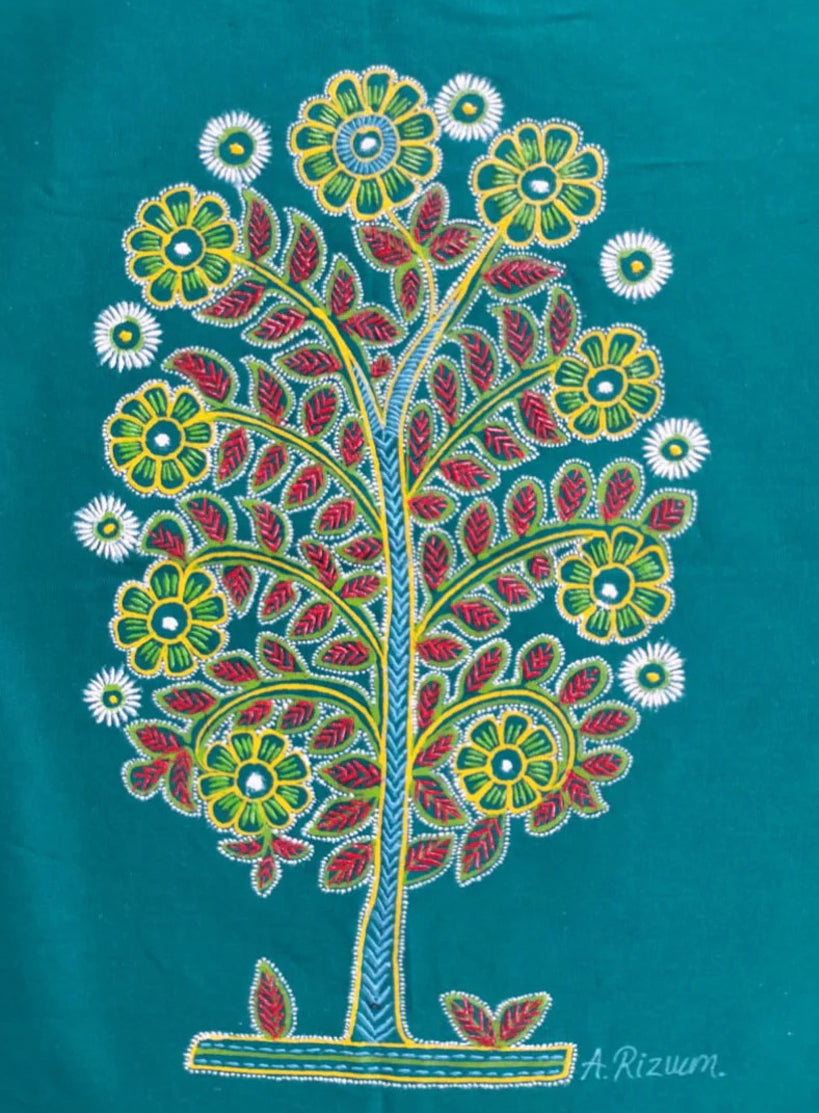
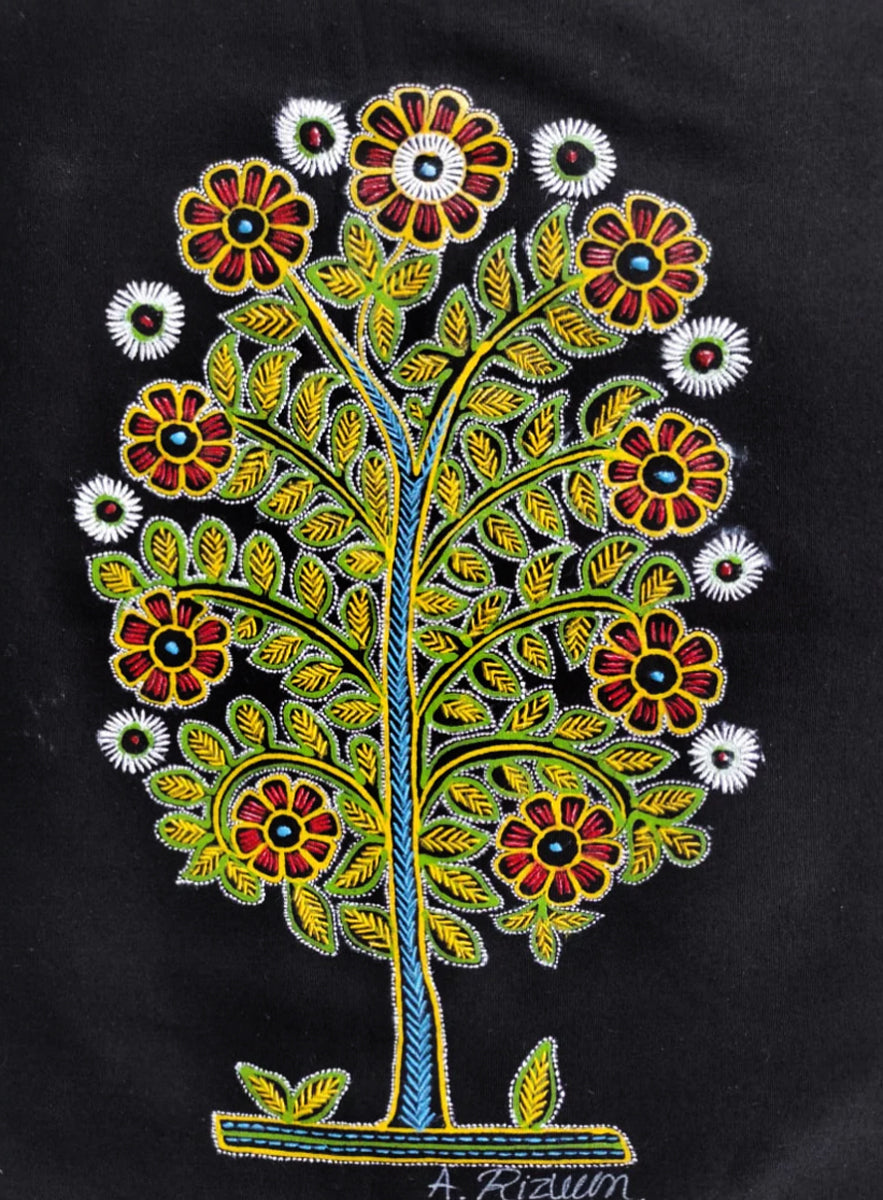
The Tree of Life is the most iconic motif in Rogan art. Characterised by its symmetrical branches adorned with flowers, leaves, birds and intricate detailing, it symbolises growth, prosperity, balance and the interconnectedness of all life. This timeless design has become synonymous with Rogan painting and is among its most celebrated compositions.
Floral and Botanical Patterns
Floral motifs form the foundation of many Rogan artworks. Delicate flowers, curling vines, leaves and ornamental foliage are arranged in intricate, symmetrical patterns inspired by nature and traditional Indian decorative arts. These designs evoke beauty, abundance and renewal while showcasing the artist's remarkable precision.
Birds and Animals
Birds and animals frequently appear in Rogan paintings, often integrated within elaborate floral compositions. Peacocks, parrots, elephants and other creatures symbolise grace, prosperity, wisdom and harmony with nature. Their flowing forms complement the intricate linework that defines the art form.
Geometric and Decorative Designs
Many Rogan artworks feature finely balanced geometric borders, paisleys and ornamental patterns inspired by traditional textiles and embroidery from the Kutch region. These motifs enhance the visual rhythm of the composition while reflecting the region's rich craft heritage and meticulous attention to detail.
Materials Used in Rogan Art
Traditionally, Rogan art is created using a unique eco-friendly paste called "Rogan" (the Persian word for oil). It is made by boiling raw castor oil for 12 - 14 hours until it becomes a thick, honey-like gel, which is then mixed with chalk powder and natural mineral or vegetable dyes. The artwork is painted freehand, without stencils, using a thin metal stylus (tulika or kalam) on dark-colored cotton or silk fabric.
Colours Used in Rogan Art
-
Yellow: Traditionally obtained from yellow ochre or orpiment, this warm tone is heavily featured in the center of floral patterns and intricate geometric grids.
-
Red: Formed from red lead oxide or local iron-rich clays, a bold red is often used to outline major design borders and structural branches.
-
Blue and Green: Blue is sourced from natural indigo, while green is made by mixing indigo with yellow minerals. These shades bring to life the leaves and natural scenery.
-
White: Derived from white lead or calcium-rich chalk powder, white is critical for producing the highly detailed, micro-sized dots and fine lines that embellish the motifs.
- Metallic Shimmer: Occasionally, powdered mica, silver or gold leaf are mixed into the palette to give royal garments or modern wall panels a brilliant, glossy sheen.
How Rogan Art is Made
The process begins by placing a small amount of colored Rogan paste on the artisan's palm and working it with a metal stylus until it forms fine, thread-like strands. Holding the stylus just above the fabric, the artist guides the paint freehand onto the textile without the tool touching the cloth. For symmetrical designs, only one half is painted before the fabric is folded and pressed to transfer a mirror image onto the other half. The finished textile is then sun-dried for about 24 hours to set the oil-based paint.
Famous Rogan Artists
Rizwan Khatri
Rizwan Khatri is one of the most celebrated contemporary Rogan artists and a seventh-generation practitioner from Nirona. Widely recognised for reviving and preserving this rare art form, he has played a pivotal role in introducing Rogan art to national and international audiences. His works are renowned for their intricate freehand linework, iconic Tree of Life compositions and exceptional precision, while remaining deeply rooted in the traditional techniques passed down through generations of the Khatri family.
Sumar Khatri
Sumar Khatri is a contemporary Rogan artist dedicated to carrying forward the centuries-old artistic legacy of the Khatri community. His paintings are characterised by elaborate floral motifs, symmetrical compositions and the distinctive castor oil-based Rogan technique. Through meticulous craftsmanship and attention to detail, his works celebrate the rich cultural heritage of Kutch while ensuring the continued relevance of one of India's rarest traditional art forms.
Rogan Art for Home Decor
Rogan art has become a distinctive choice for home decor because of its intricate craftsmanship, vibrant colours and timeless elegance. Featuring motifs such as the Tree of Life, floral patterns, birds, peacocks and symmetrical ornamental designs, these handcrafted artworks bring sophistication, cultural richness and artisanal charm into both contemporary and traditional interiors.
Whether displayed in living room, dining rooms, bedrooms, study spaces, meditation spaces, hallways, gallery walls or entrance foyers, Rogan artworks create captivating focal points while celebrating the rare artistic heritage of Gujarat. Their intricate detailing and handcrafted character make them ideal for homeowners looking to incorporate authentic Indian craftsmanship and meaningful decor into their spaces.
Rogan Art for Gifting
Rogan artworks make exceptional gifts for weddings, anniversaries, housewarmings, festive occasions and special celebrations. Rich in symbolism and handcrafted beauty, these paintings combine centuries-old craftsmanship with contemporary appeal, making them meaningful gifts for art enthusiasts, collectors, and lovers of traditional Indian art.
Popular motifs such as the Tree of Life, peacocks, floral designs and nature-inspired compositions are often associated with prosperity, harmony, abundance and growth. Whether gifted as framed artworks or decorative textile pieces, Rogan art offers a unique blend of heritage, artistry and cultural significance, making every piece a timeless keepsake.
FAQs About Rogan Art
What is Rogan art famous for?
Rogan art is famous for its unique castor oil-based painting technique, intricate freehand linework, and symmetrical mirror-image designs. Originating in the village of Nirona in Gujarat's Kutch region, this rare art form is celebrated for its elaborate Tree of Life compositions, floral motifs and exceptional handcrafted precision.
Does Rogan art have a GI Tag?
Yes. Rogan art has received Geographical Indication (GI) status, recognising it as a traditional craft unique to the Kutch region of Gujarat. The GI tag helps preserve the authenticity of this rare art form while supporting the artisan families who continue to practice and safeguard its centuries-old techniques.
What types of Rogan artworks can I buy?
Rogan art is available in a variety of themes, including Tree of Life compositions, floral and botanical designs, peacock and bird motifs, nature-inspired artworks and intricate decorative patterns. These handcrafted artworks are available as framed paintings, wall hangings, textiles and contemporary home decor pieces suitable for homes, offices and art collections.
Is Rogan art suitable for home decor and gifting?
Absolutely. Rogan artworks are an elegant choice for living rooms, bedrooms, study spaces, hallways, gallery walls and entrance foyers. Their intricate craftsmanship and symbolic motifs also make them meaningful gifts for weddings, anniversaries, housewarmings, festivals and other special occasions.
Where can I buy authentic Rogan art online?
MeMeraki's Rogan Art Collection features authentic handcrafted artworks created by master Rogan artists from Nirona, Gujarat. From the iconic Tree of Life and intricate floral compositions to traditional decorative motifs and contemporary creations, the collection showcases the exceptional craftsmanship and cultural legacy of one of India's rarest art forms.
Whether you're looking to buy Tree of Life Rogan paintings, floral artworks, peacock motifs or contemporary Rogan creations, these timeless designs make Rogan art a distinctive choice for home decor, gifting and art collections. MeMeraki brings to you this beautiful collection to explore and shop authentic Rogan art online while celebrating the rich artistic heritage of Kutch.
Show Less


 Backed By MeMeraki Promise
Authenticity • Safe Delivery • Easy Resolution
Backed By MeMeraki Promise
Authenticity • Safe Delivery • Easy Resolution