Filter

Kamdhenu Paintings: A Symbol of Abundance and Prosperity

  • Featured
  • Most relevant
  • Best selling
  • Alphabetically, A-Z
  • Alphabetically, Z-A
  • Price, low to high
  • Price, high to low
  • Date, old to new
  • Date, new to old

MeMeraki Promise Backed By MeMeraki Promise Authenticity • Safe Delivery • Easy Resolution

  1. Kaamdhenu with calf Miniature style by Mohan Prajapati
    wishlist icon Wishlisted! Removed!

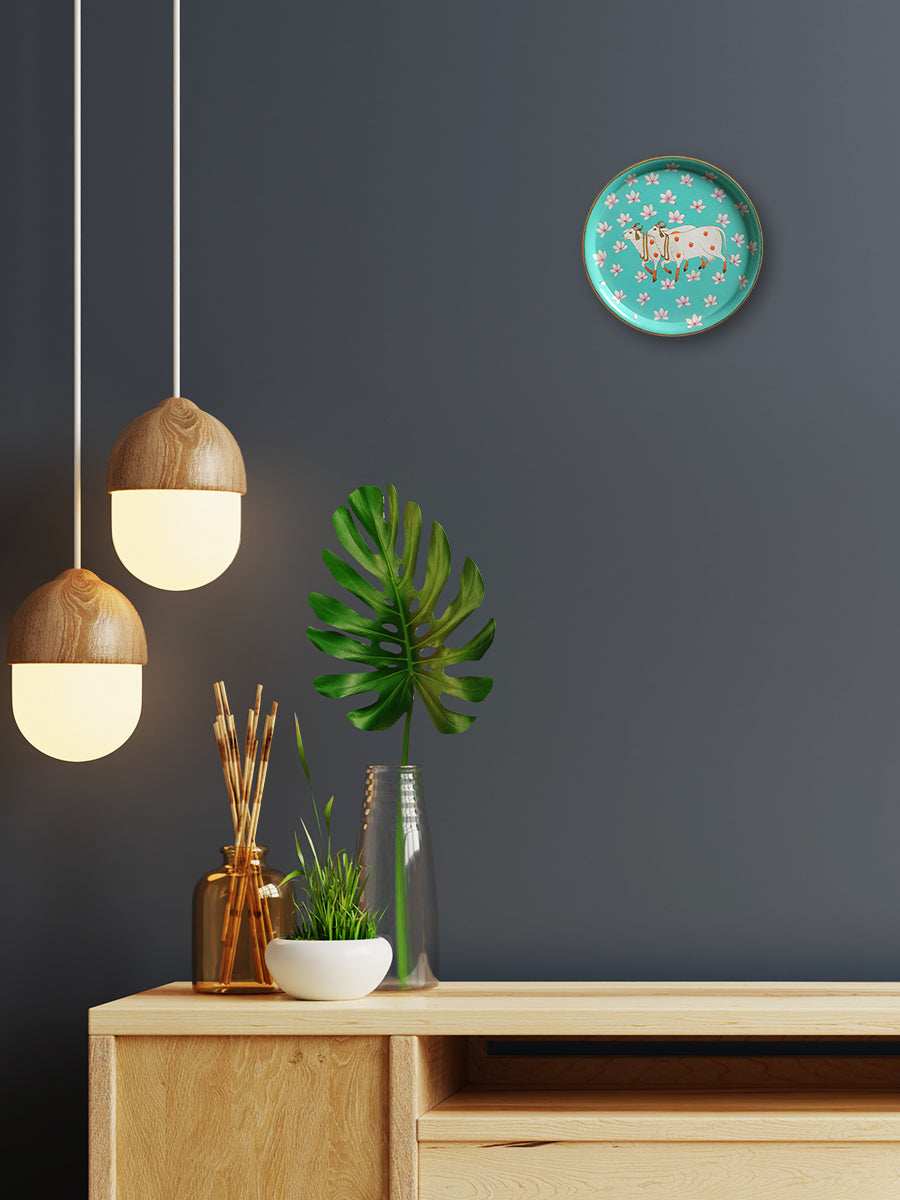
    Kamdhenu in Miniature Plate by Mohan Prajapati

    Made To Order

    8 in X 8 in

    Artist - Mohan Prajapati blue-tick

    Regular
    cartImg ₹4,000
    Sale
    cartImg ₹4,000
    Regular
    Unit Price
    per 
× Review photo

Trusted by Thousands of Art Lovers Worldwide

Experience worry-free art shopping on India's most reliable platform for heritage crafts.

Endorsed by Industry Leaders

Hear what leading voices in design and craft have to say about MeMeraki.

About Kamdhenu Cow Paintings

Kamdhenu, the divine cow in Hindu mythology, is a symbol of abundance, prosperity, and fulfillment of desires. Her milk is believed to have the power to cure any disease, and...  Read More

Frequently Asked Questions

What makes Kamdhenu paintings a significant choice for art collectors and spiritual seekers?

Kamdhenu, the divine wish-fulfilling cow in Hindu mythology, symbolizes abundance, prosperity, and maternal care. These artworks resonate deeply, bringing blessings and cultural heritage into spaces. They serve as meaningful additions for home decor, devotional practices, and as emblems of India's rich artistic and spiritual traditions.

What diverse traditional Indian art styles feature Kamdhenu within this MeMeraki collection?

MeMeraki's collection showcases Kamdhenu across various traditional styles, including the intricate Pichwai, the vibrant Madhubani, the geometric Warli, and the expressive Gond. Additionally, you'll find unique interpretations like Pattachitra and miniature paintings, along with rustic Dhokra sculptures, offering a rich exploration of this divine motif.

How can I be sure of the authenticity of a Kamdhenu artwork from MeMeraki and what is the buying process?

MeMeraki ensures authenticity through direct sourcing from master artisans, preserving traditional art forms. Each handpainted Kamdhenu artwork comes with a signed Certificate of Authenticity. To purchase, simply select your desired piece, add it to your cart, and proceed with our secure checkout for worldwide delivery.

What traditional materials and mediums are typically used in the Kamdhenu artworks offered by MeMeraki?

Our Kamdhenu collection features handpainted artworks primarily on canvas or acid-free paper, using natural pigments and colors. You'll also discover unique pieces on MDF board utilizing acrylics, and genuine Dhokra sculptures crafted from brass, showcasing the diverse traditional craftsmanship behind these art forms.

Can traditional Kamdhenu paintings beautifully complement contemporary or minimalist home decor styles?

Yes, absolutely! While deeply rooted in tradition, Kamdhenu paintings offer versatile aesthetic appeal. Their vibrant colors, intricate details, or even minimalist forms (like some Warli or Dhokra pieces) can provide a striking cultural anchor or a harmonious focal point, adding warmth and profound meaning to modern spaces.

How can I choose the ideal Kamdhenu artwork that aligns with my personal aesthetic and desired symbolism?

Consider the art style—Pichwai for intricate detail, Madhubani for folk vibrancy, Warli for modern simplicity. Reflect on the specific theme you seek: a nurturing mother, wish-fulfillment, or mythological association. MeMeraki offers diverse interpretations, allowing you to select a piece that deeply resonates with your vision and home.

Beyond the divine cow, what deeper symbolism and themes are explored in these Kamdhenu artworks?

Kamdhenu artworks delve into profound themes of divine motherhood, wish-fulfillment, and the sacredness of cows in Hindu culture. Artists often integrate symbolic elements like the Kalpavriksha (wish-fulfilling tree), mythological figures such as Sage Vashishtha, and traditional flora, enriching the narrative and spiritual significance of each piece.