Backed By MeMeraki Promise
Authenticity • Safe Delivery • Easy Resolution
×
Trusted by Thousands of Art Lovers Worldwide
Experience worry-free art shopping on India's most reliable platform for heritage crafts.
Endorsed by Industry Leaders
Hear what leading voices in design and craft have to say about MeMeraki.
Frequently Asked Questions
What makes Izhar Ansari's Madhubani art unique among traditional collections?
Izhar Ansari uniquely blends traditional Madhubani motifs with contemporary themes, reinterpreting modern icons and global narratives through this ancient folk art. His work from Kusinagar, Uttar Pradesh, also powerfully addresses societal biases, using art as a medium for change and inclusivity.
What diverse subjects and styles can I explore in Izhar Ansari's Madhubani collection?
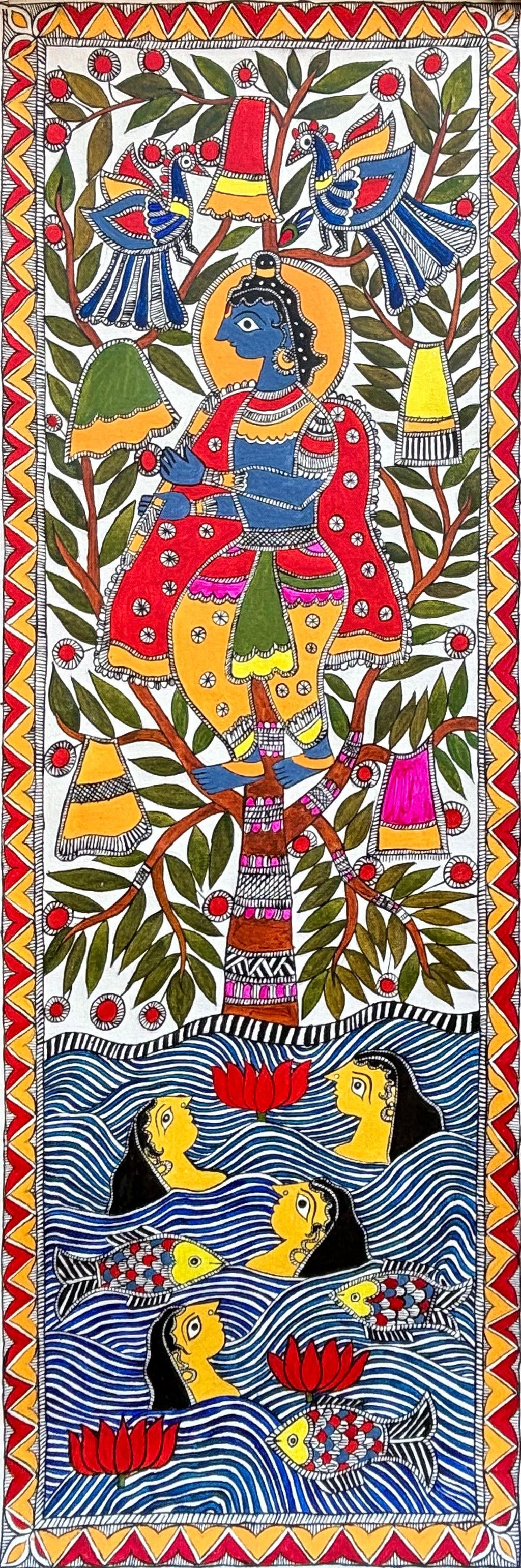
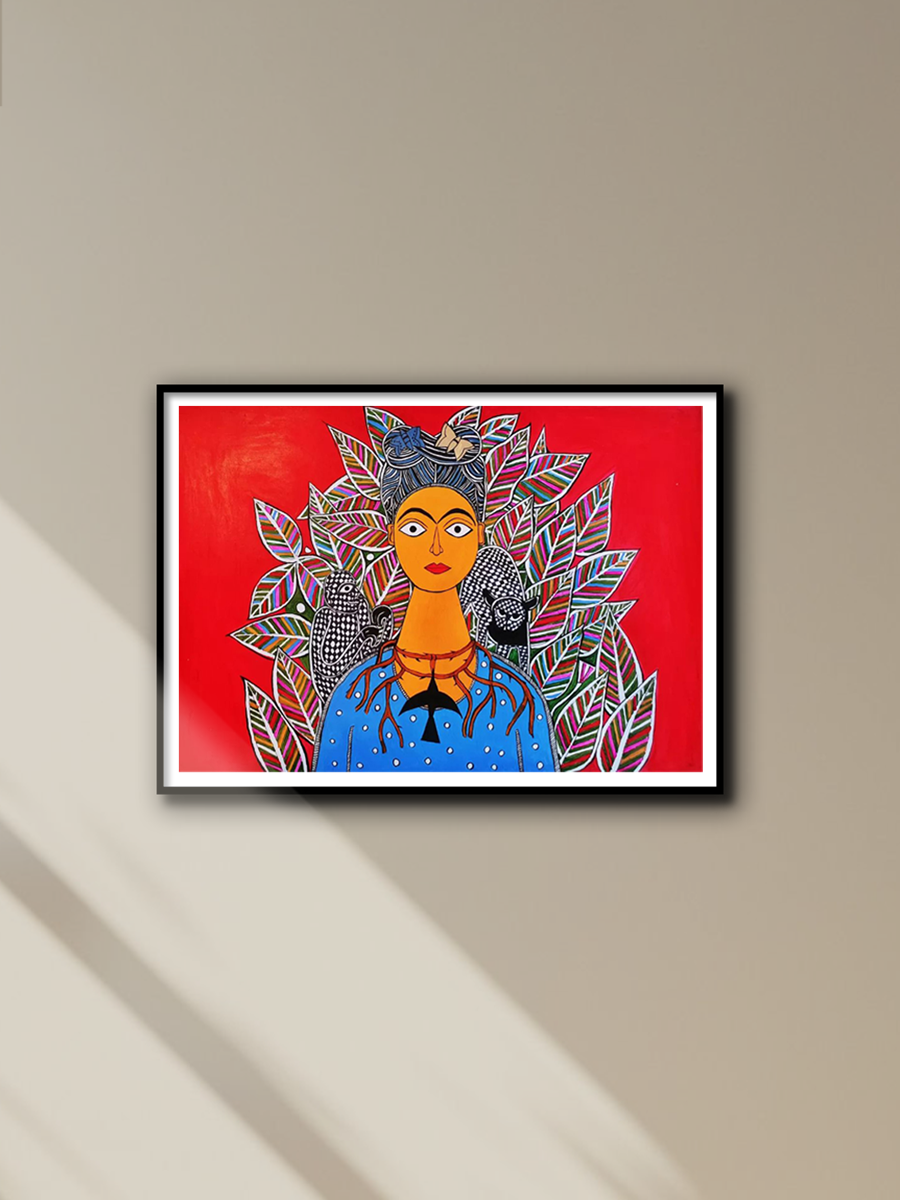
This collection showcases remarkable versatility, from traditional depictions of Hindu deities like Ganesha and Krishna to re-imagined portraits of famous personalities like Marilyn Monroe and Frida Kahlo. You'll find a spectrum of themes, ensuring a piece for every aesthetic.
What materials and mediums are typically used in Izhar Ansari's Madhubani paintings?
Izhar Ansari primarily works with vibrant acrylic colors on high-quality surfaces such as paper and canvas. These materials allow him to achieve the distinct, intricate lines and rich hues characteristic of traditional Madhubani art, often crafted as made-to-order pieces.
How can I be assured of the authenticity of Izhar Ansari's Madhubani artworks from MeMeraki?
MeMeraki guarantees authenticity. Each artwork by Izhar Ansari comes with a signed Certificate of Authenticity directly from the artist, verifying its origin and craftsmanship. We ensure you receive genuine, handmade traditional Indian art.
Can Izhar Ansari's traditional Madhubani art integrate into modern home decor?
Yes, absolutely. Izhar's collection beautifully bridges tradition and modernity. His fresh interpretations, vibrant acrylics, and diverse subjects make these pieces striking focal points that add cultural richness and artistic depth to contemporary interior designs.
What is the cultural significance of Madhubani art as represented in this collection?
Madhubani, or Mithila art from Uttar Pradesh, traditionally expresses stories from nature and mythology. Izhar Ansari honors this heritage while pushing boundaries, using this vibrant folk art to spark dialogue on contemporary social issues and foster understanding.
What drives Izhar Ansari to create his unique Madhubani artworks?
Izhar Ansari is passionately driven to use his Madhubani art as a catalyst for societal change, challenging preconceived notions and fostering inclusivity. His creations reflect a deep commitment to his craft learned since childhood in Kusinagar and a desire for broader appreciation.
Izhar Ansari's Biography
| Artist | Izhar Ansari |
|---|---|
| Age | 29 |
| Place Of Birth | Kushinagar |
| Artform | |
| Bio | Izhar Ansari, a Madhubani artist from Kusinagar, Uttar Pradesh, has been steadfastly practicing his craft since childhood. Despite his dedication and talent, he faces significant challenges in promoting and selling his artwork, primarily due to societal biases and misconceptions regarding the compatibility of his Muslim background with the traditional art form. Despite these hurdles, Izhar remains resolute in his pursuit, aiming to use his art as a medium for societal change and to challenge preconceived notions about religion and art. Educated at Rashtriye Intermediate College and Deen Dayal Upadhyay Gorakhpur University, Izhar's artistic journey has been marked by local recognition, including winning prizes at exhibitions. Yet, his aspirations extend beyond regional acclaim, with a desire to showcase his work on a broader scale and to foster a deeper understanding and appreciation of Madhubani art. Despite facing resistance and skepticism, Izhar's passion for his craft drives him to continue creating and sharing his unique perspective with the world, hopeful that his art can catalyze shifting societal perceptions and foster inclusivity within the artistic community. |