Lippan
Kaam
What is Lippan Kaam?
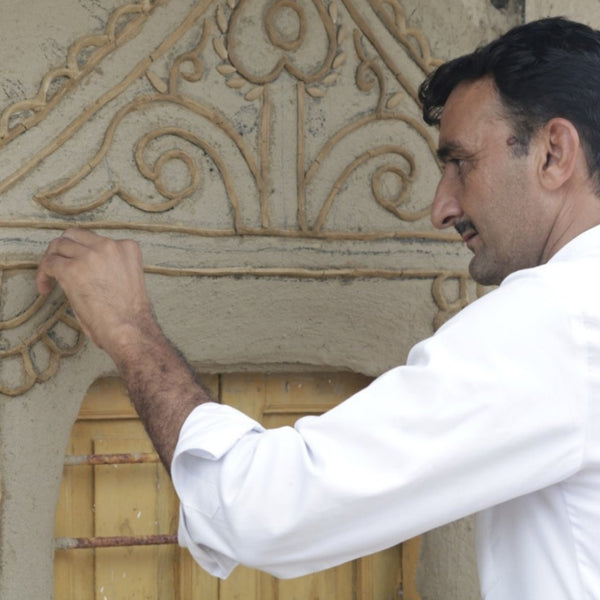
Lippan Kaam, also known as Mud and Mirror Work, is a traditional mural art form originating from the desert villages of the Kutch region of Gujarat. Practiced for generations by communities such as the Rabari, Mutwa and Meghwal, this distinctive craft combines sculpted mud relief with hand-set mirrors to create intricate geometric and floral patterns. Traditionally used to decorate the walls of homes and bhungas (circular mud houses), Lippan Kaam reflects the cultural heritage, craftsmanship and resilient spirit of the desert landscape.
Explore authentic Lippan Kaam artworks handcrafted by skilled artisans from the Kutch region of Gujarat, celebrating the timeless beauty of traditional mud and mirror work. From intricate Tree of Life compositions and geometric mirror designs to floral motifs, peacocks, camels, and contemporary wall panels, discover handmade Lippan Kaam that brings texture, craftsmanship, and cultural heritage into your home. Whether you're looking to buy Lippan Kaam online for home decor, gallery walls, gifting, or your art collection, each handcrafted piece reflects the artistry and enduring traditions of one of India's most distinctive craft forms.
Key Features of Lippan Kaam
Lippan Kaam transforms simple natural materials into striking decorative compositions that celebrate the artistry of Kutch. Some defining features of this art form include:
Traditional Mud and Mirror Work Technique
Intricate Handcrafted Relief Patterns
Decorative Mirror Embellishments
Geometric and Floral Motifs
Nature-Inspired and Cultural Designs
Earthy Textures with Reflective Accents
Traditionally Created on Walls and Murals
Strong Cultural and Architectural Heritage
Sustainable Use of Natural Materials
Contemporary Adaptations for Modern Interiors
History of Lippan Art
Origin of Lippan Kaam
Lippan art originated centuries ago among the pastoral communities of the Rann of Kutch in Gujarat, particularly the Rabaris, Mutwas and Marwadas. The word Lippan means "mud-plastering" in the local dialect. Traditionally created by women on the walls of circular mud huts (bhungas), this mud-relief art served as thermal insulation against the desert heat, while embedded mirrors (abhla) reflected lamplight, brightening the interiors.
Evolution of Lippan Kaam
For generations, Lippan art was passed down from mother to daughter as a symbol of cultural identity and household pride. As its beauty gained recognition, artisans adapted the traditional mud-and-dung wall art onto portable wooden boards and canvases, replacing dung with materials like husks or sawdust. This innovation preserved the intricate relief designs while making Lippan art available for display and appreciation worldwide.
Contemporary Lippan Kaam
Today, Lippan art is recognized as one of India's most celebrated rural crafts and is progressing toward formal Geographical Indication (GI) registration. While traditionally created on mud bhungas, it is now adapted onto wooden panels, canvas, and decorative walls. The modern White Lippan style, using white clay or chalk, is especially popular in contemporary interiors for its textured, minimalist aesthetic.
Lippan Kaam Themes and Motifs
Lippan Kaam draws inspiration from nature, desert landscapes, traditional architecture and the cultural heritage of Kutch. Through sculpted mud relief and carefully placed mirrors, artisans transform these themes into decorative compositions that reflect harmony, celebration and the artistic traditions of western India.
Geometric Patterns
Geometric motifs are among the most distinctive elements of Lippan Kaam. Intricate circles, diamonds, triangles and symmetrical borders are carefully sculpted using mud and embellished with mirrors, creating rhythmic designs that reflect balance, order and visual harmony.
Floral and Botanical Designs
Flowers, leaves, vines and flowering creepers are recurring motifs in Lippan Kaam. Inspired by the natural beauty of the region, these designs symbolise growth, prosperity and renewal while adding elegance and fluidity to the artwork.
Mirrors and Reflective Ornamentation
Mirror work is the defining feature of Lippan Kaam. Small circular, square and diamond-shaped mirrors are embedded within the sculpted patterns to reflect light and brighten interiors. Traditionally, these mirrors also served the practical purpose of illuminating mud homes while symbolising joy, positivity and prosperity.
Desert Life and Cultural Heritage
Many Lippan Kaam artworks are inspired by the desert communities of Kutch, incorporating motifs influenced by local architecture, traditional embroidery and everyday village life. These designs celebrate the craftsmanship and enduring cultural identity of the Rabari, Mutwa and Meghwal communities.
Birds, Animals and Auspicious Symbols
Peacocks, camels, elephants, flowers and the Tree of Life frequently appear in contemporary Lippan Kaam. These motifs symbolise beauty, resilience, abundance and harmony with nature while reflecting the close relationship between the people of Kutch and their environment.
Materials and Process of Lippan Kaam
Materials Used in Lippan Kaam
Traditionally, Lippan art relies on a rich, localized clay dough. This is made by mixing local gara (alluvial clay dug from riverbeds or lakes) with water and animal dung, which acts as a flexible, fiber-rich binding agent to prevent the mud from cracking as it dries. The only other primary materials are water for smoothing the clay and abhla, shards of reflective glass cut into diverse shapes like circles, diamonds, triangles, and squares. Contemporary artists frequently substitute the clay and dung with smooth ceramic paste, marble dust or wood-dust putty on lightweight engineered wood (MDF) panels.
Colours Used in Lippan Kaam
White: Traditionally sourced from white clay (khari-mati) or limestone paste, this clean white coating is applied over the entire dried mud relief, creating a uniform, stark canvas that reflects light brilliantly.
Brown: The natural tone of dried alluvial clay is often intentionally left exposed in specific geometric borders to offer a warm, grounding base.
Occasional Earth Tones: While traditional Lippan is predominantly monochrome white to maximize light reflection, some communities introduce accents of yellow ochre, terracotta red or mineral green derived from local soils to highlight specific animal silhouettes.
How Lippan Kaam is Made
Lippan art begins with kneading clay into a soft dough, which is rolled into thin coils and shaped into raised geometric or freehand designs on a wall or board. Small mirror pieces (abhla) are then embedded into the moist clay. Once the design dries completely, it is coated with white clay paste, creating a striking contrast between the textured relief and the reflective mirrors.
Famous Lippan Kaam Artists
Majikhan
Majikhan is a renowned contemporary Lippan Kaam artist from the Kutch region, celebrated for preserving the traditional mud and mirror work of Gujarat, as well as promoting the artform at an international level. His artworks are characterised by intricate relief patterns, carefully placed mirrors and harmonious geometric and floral motifs.
Nalemitha
Nalemitha is a contemporary Lippan Kaam artist known for creating elegant handcrafted compositions inspired by the cultural heritage of Kutch. Her works feature finely sculpted mud relief, symmetrical mirror embellishments and nature-inspired motifs that reflect the region's rich artistic traditions.
Lippan Kaam for Home Decor
Lippan Kaam has become a popular choice for home decor because of its earthy textures, intricate mirror work and timeless handcrafted appeal. Featuring motifs such as geometric patterns, floral designs, peacocks, camels, the Tree of Life and traditional Kutch-inspired ornamentation, these artworks bring warmth, elegance and cultural richness into both contemporary and traditional interiors.
Whether displayed in living rooms, dining rooms, bedrooms, study spaces, meditation spaces, gallery walls or covered outdoor spaces, Lippan Kaam creates striking focal points while celebrating the rich craft heritage of Gujarat. Its unique combination of sculpted mud relief and reflective mirrors makes it an ideal choice for homeowners looking to incorporate authentic Indian craftsmanship and artisanal decor into their spaces.
Lippan Kaam for Gifting
Lippan Kaam artworks make thoughtful gifts for weddings, anniversaries, housewarmings, festive occasions and special celebrations. Rich in symbolism and handcrafted beauty, these creations combine traditional craftsmanship with contemporary appeal, making them meaningful gifts for art enthusiasts, collectors and lovers of Indian heritage.
Popular motifs such as the Tree of Life, peacocks, floral patterns, mirrors and geometric designs are often associated with prosperity, harmony, protection and abundance. Whether gifted as handcrafted wall panels, decorative mirrors or framed artworks, Lippan Kaam offers a unique blend of heritage and artistry, making every piece a timeless addition to any home.
FAQs About Lippan Kaam
1. What is Lippan Kaam famous for?
Lippan Kaam is famous for its distinctive mud and mirror work, where sculpted clay relief is embellished with hand-set mirrors to create intricate geometric and floral designs. Originating in the Kutch region of Gujarat, this traditional mural art is celebrated for its earthy textures, reflective beauty and rich cultural heritage.
2. Why is Lippan Kaam made with mirrors?
Mirrors are the defining feature of Lippan Kaam. Traditionally, small mirrors were embedded into sculpted mud relief to reflect natural light and the glow of oil lamps, brightening the interiors of mud homes in the Kutch region. Beyond their practical purpose, mirrors also symbolise prosperity, positivity and celebration, making them an integral part of the art form.
3. What types of Lippan Kaam artworks can I buy?
Lippan Kaam is available in a wide variety of designs, including Tree of Life panels, geometric mirror compositions, floral motifs, peacock and camel-inspired artworks, decorative mirrors and contemporary wall panels. These handcrafted pieces are available in different sizes and styles, making them suitable for homes, offices, hospitality spaces and art collections.
3. Is Lippan Kaam suitable for home decor and gifting?
Absolutely. Lippan Kaam is a popular choice for living rooms, bedrooms, entryways, dining spaces, gallery walls and covered outdoor areas because of its textured craftsmanship and reflective mirror work. Its handcrafted beauty and symbolic motifs also make it a thoughtful gift for weddings, anniversaries, housewarmings, festivals and other special occasions.
4. Where can I buy authentic Lippan Kaam online?
MeMeraki's Lippan Kaam Collection features authentic handcrafted artworks created by skilled artisans from the Kutch region of Gujarat. From traditional mud and mirror wall panels and Tree of Life compositions to contemporary geometric and floral designs, the collection celebrates the craftsmanship, cultural heritage and timeless appeal of this iconic Indian mural art.
5. Is Lippan Kaam handmade?
Yes. Authentic Lippan Kaam is handcrafted by skilled artisans who shape mud or contemporary relief materials by hand and carefully embed mirrors into intricate patterns. Each artwork is unique, reflecting the artisan's craftsmanship and the traditional techniques of the Kutch region.
Whether you're looking to buy Tree of Life Lippan Kaam, geometric mirror art, floral wall panels or contemporary mud and mirror artworks, these timeless designs make Lippan Kaam a distinctive choice for home decor, gifting and art collections. MeMeraki brings to you this beautiful collection to explore and shop authentic Lippan Kaam online while celebrating the rich craft traditions of Kutch.