Bikaner
What is Bikaner Painting?
Bikaner painting is a refined GI tagged Rajasthani miniature style that traces its lineage to the imperial Mughal workshops, which dispersed and resettled across Rajputana after royal patronage declined under Aurangzeb. Every handmade Bikaner painting is built from intricate, delicate linework and a restrained colour palette, weaving scenes from Indian mythology, courtly life and nature into compositions of remarkable precision. This quiet, jewel-toned finish is what distinguishes Bikaner wall art from the bolder palettes of other miniature traditions.
Rooted in the Ragmala, Bhagavata Purana and Rasalila, Bikaner painting captures a world where history and legend meet in fine, sublime detail, a hallmark of its Mughal-Rajput heritage.
Key Features of Bikaner Painting
Descended directly from imperial Mughal miniature ateliers
Fine, delicate linework and a restrained, refined colour palette
GI-tagged art form specific to Bikaner, Rajasthan
Draws on the Ragmala, Bhagavata Purana and Rasalila for subject matter
Practised today by very few master artists, keeping the tradition rare
Painted on handmade paper using natural colours and fine brushwork
History of Bikaner Painting
Origin of Bikaner Painting
Bikaner painting's origins lie in the imperial Mughal court workshops. When Aurangzeb's reign brought a decline in royal patronage for the arts, skilled Mughal painters dispersed across Rajputana, several settling in Bikaner, where the local royal court took up their patronage and the style evolved into its own distinct regional school.
Evolution of Bikaner Painting
Over generations, the Mughal technical precision, fine linework, delicate shading, and restrained colour fused with Rajput subject matter, devotional themes, courtly scenes, and stories from Hindu scripture to form the mature Bikaner style. The tradition became closely associated with depicting scenes from the Ragmala (musical modes personified), the Bhagavata Purana, and the Rasalila of Krishna and Radha.
Contemporary Bikaner Painting
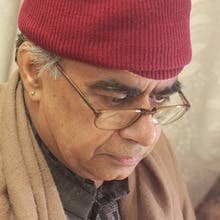
Today, Bikaner painting survives through a very small number of master artists. Mahaveer Swami, recognised with the national Master Craftsman Award, is regarded as one of the last remaining pillars of this Mughal-born school, working to safeguard and revive Bikaner's heritage artistry through his paintings and teaching.
Bikaner Painting Themes and Motifs
Deities in Bikaner Painting
Devotional subjects dominate Bikaner painting, with Shiva depicted in multiple forms, including Shiva Pariwar (the family of Shiva), Bholenath, Shiva Shambhu and Neelkanth, alongside Ganesha in forms such as Bal Ganesha, Brahmachari Ganesha and Ganesha Pariwar, Hanuman as Bajrangbali, and Parvati shown together with Shiva and Ganesha as a family grouping.
Krishna and Courtly Narratives
Krishna appears in Bikaner painting through scenes like Muralidhar Krishna, capturing his role as the divine flute player, drawing directly on the Bhagavata Purana and Rasalila traditions that have long defined the art form's storytelling.
Nature in Bikaner Painting
Peacocks are a signature motif in Bikaner miniature work, often shown perched under a tree or in elegant, isolated compositions that showcase the artist's fine linework and restrained colour palette, echoing the Ragmala tradition of pairing nature with mood and music.
Fine-Line Miniature Patterns
Bikaner painting's visual signature lies in its precision: intricate, delicate outlines built up through fine-tipped brushwork, layered shading, and detailed ornamentation on figures' jewellery, clothing, and crowns, a direct technical inheritance from Mughal miniature ateliers.
Materials and Techniques of Bikaner Painting / How Bikaner Painting is Made
Handmade Paper and Natural Colours
Bikaner paintings are created on handmade paper using natural colours, chosen for the soft, muted finish that gives the style its quiet, refined character, distinct from the bolder palettes of other Rajasthani schools.
Fine Brushes and Linework
Extremely fine-tipped brushes are essential to Bikaner painting, allowing artists to achieve the delicate, precise linework, layered shading and detailed ornamentation that define the style, a technique requiring years of disciplined practice to master.
Layered Detailing
Bikaner artists build up a composition in careful layers, beginning with a fine outline before adding shading, colour and gold detailing, a slow, meticulous process that can take considerable time for larger, more intricate works.
Famous Bikaner Painting Artists & Master Craftsmen
Every painting in this collection is created by Mahaveer Swami, a National Award-winning Master Craftsman and widely regarded as the last remaining pillar of the Mughal-born Bikaner School of Painting. Discover more craftspeople practising traditional Indian art forms on our Artists page.
How to Identify Authentic Bikaner Painting
Fine, precise linework: Genuine Bikaner painting shows remarkably delicate, controlled linework, achieved with fine-tipped brushes; blurred or thick outlines suggest a print or lower-quality reproduction.
Muted, layered colour: Authentic pieces use a restrained, natural colour palette built up in layers rather than flat, saturated printed colour.
Handmade paper texture: Look for the slightly textured, absorbent surface of handmade paper, distinct from the smooth finish of machine-printed paper.
Artist attribution: Given how few artists still practise this style, buying from a platform that names the specific artist, such as Mahaveer Swami, and provides a certificate of authenticity is the most reliable way to confirm genuine Bikaner painting.
Bikaner Painting for Home Décor
Bikaner painting's fine detailing and quiet, jewel-toned palette make it well suited to spaces that call for refined, traditional elegance rather than bold colour. It works beautifully as a devotional centrepiece in a pooja room or as a sophisticated accent in a formal living room or study.
Explore more room-specific ideas in our Pooja Room Décor, Living Room Décor , Bedroom Decor, Kitchen Decor and Gallery wall collections to find the right setting for your Bikaner piece.
Gifting Guide for Bikaner Painting
A handmade Bikaner painting makes a refined, meaningful gift for weddings, housewarmings and festive occasions, particularly for anyone who appreciates fine craftsmanship and Mughal-Rajput art history. Given how few artists still practise this style, a Bikaner piece also carries a sense of rarity that sets it apart from more widely available art forms. Pair a smaller work with an artwork from our Gallery Wall Collection, or browse our full Gifts and Souvenirs collection for more ideas suited to different occasions and budgets.
FAQs about Bikaner Painting
What is Bikaner painting?
Bikaner painting is a Rajasthani miniature art style that developed in the city of Bikaner from Mughal court painters who resettled there after imperial patronage declined, blending Mughal precision with Rajput devotional and courtly subject matter.
What themes are common in Bikaner painting?
Common themes include Hindu deities such as Shiva, Ganesha, Hanuman and Krishna, along with scenes from the Ragmala, Bhagavata Purana and Rasalila, and nature motifs like peacocks rendered in fine, delicate linework.
How can I tell if a Bikaner painting is authentic?
Genuine Bikaner painting shows fine, controlled linework achieved with delicate brushes, a muted, layered natural colour palette, and the slightly textured surface of handmade paper. Given how few artists practise this style, buying from a platform that names the specific artist is the most reliable way to confirm authenticity.
Where should I place a Bikaner painting at home, according to Vastu?
Bikaner paintings depicting deities are generally best placed on the North or East wall. Larger devotional pieces suit the living room or pooja space, while simpler, single-figure works are better suited to the bedroom.
Is Bikaner painting durable for everyday display?
Yes. Painted on handmade paper with natural colours, Bikaner paintings hold up well to everyday display when kept out of direct sunlight and excess humidity, and framing is recommended for long-term preservation.
Can I buy Bikaner paintings online from MeMeraki?
Yes, this collection lets you buy authentic Bikaner paintings online, including works by National Award-winning artist Mahaveer Swami, with worldwide shipping and an authenticity certificate included with every purchase.
Does a Bikaner painting make a good gift?
Yes. Its fine craftsmanship and rarity make it a meaningful, refined gift for weddings, housewarmings and festive occasions, whether given as a single artwork or paired with other pieces in a gallery wall set.
Does Bikaner Painting have a GI Tag?
Yes. Bikaner Painting is recognised under India's Geographical Indication (GI) framework, acknowledging its distinctive artistic traditions and association with the Bikaner region of Rajasthan. The recognition helps protect the identity of this regional art form and supports the preservation of its traditional techniques and cultural heritage.