Featured on Architectural Digest and Elle Decor ◆ 20,000+ Happy Customers ◆ Secure World Wide Shipping ◆ 4.8 Stars on Google ◆ 300+ Artforms ◆ Authentic Handmade Artworks ◆ Personalised Customer Support ◆ Authenticity Certificates ◆ Featured on AD and Elle Decor ◆ 20,000+ Happy Customers ◆ Secure World Wide Shipping ◆ 4.8 Stars on Google ◆ 300+ Artforms ◆ Authentic Handmade Artworks ◆ Personalised Customer Support ◆ Authenticity Certificates ◆ Featured on AD and Elle Decor ◆ 20,000+ Happy Customers ◆ Secure World Wide Shipping ◆ 4.8 Stars on Google ◆ 300+ Artforms ◆ Authentic Handmade Artworks ◆ Personalised Customer Support ◆ Authenticity Certificates ◆ Featured on Architectural Digest and Elle Decor ◆ 20,000+ Happy Customers ◆ Secure World Wide Shipping ◆ 4.8 Stars on Google ◆ 300+ Artforms ◆ Authentic Handmade Artworks ◆ Personalised Customer Support ◆ Authenticity Certificates ◆ Featured on Architectural Digest and Elle Decor ◆ 20,000+ Happy Customers ◆ Secure World Wide Shipping ◆ 4.8 Stars on Google ◆ 300+ Artforms ◆ Authentic Handmade Artworks ◆ Personalised Customer Support ◆ Authenticity Certificates ◆ Featured on Architectural Digest and Elle Decor ◆ 20,000+ Happy Customers ◆ Secure World Wide Shipping ◆ 4.8 Stars on Google ◆ 300+ Artforms ◆ Authentic Handmade Artworks ◆ Personalised Customer Support ◆ Authenticity Certificates ◆ Featured on Architectural Digest and Elle Decor ◆ 20,000+ Happy Customers ◆ Secure World Wide Shipping ◆ 4.8 Stars on Google ◆ 300+ Artforms ◆ Authentic Handmade Artworks ◆ Personalised Customer Support ◆ Authenticity Certificates ◆ Featured on Architectural Digest and Elle Decor ◆ 20,000+ Happy Customers ◆ Secure World Wide Shipping ◆ 4.8 Stars on Google ◆ 300+ Artforms ◆ Authentic Handmade Artworks ◆ Personalised Customer Support ◆ Authenticity Certificates
Your walls deserve better art.
Get 10% off on Ready to Ship Artworks
Delivered in just 3–4 days.
No waiting, no excuses
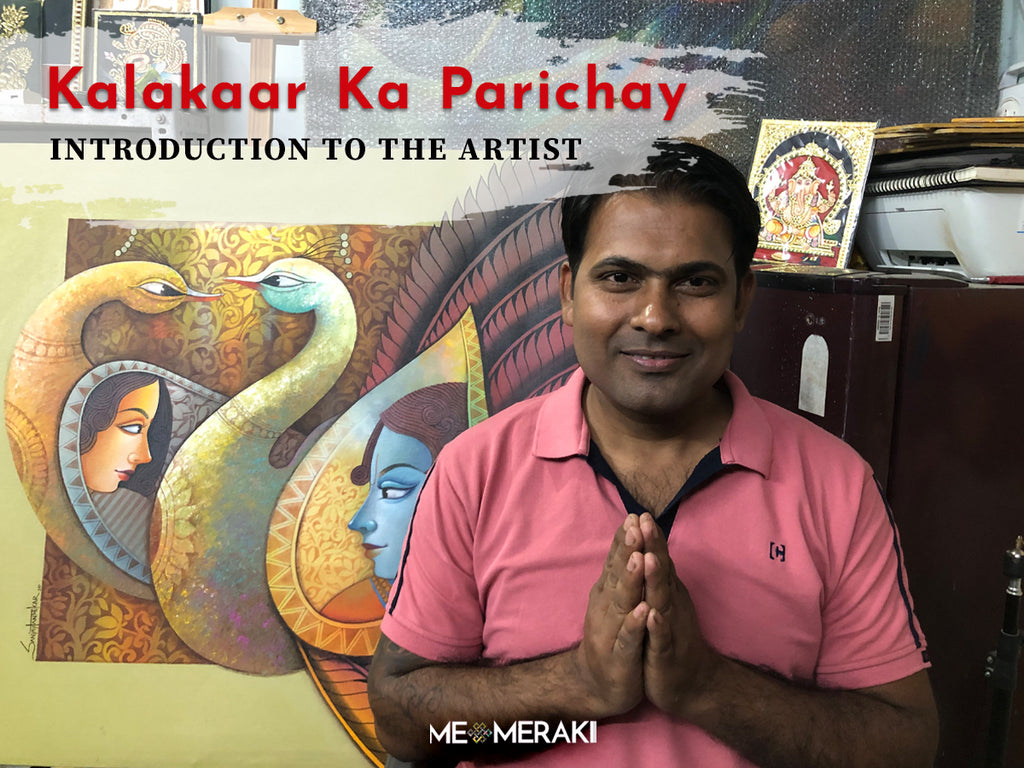
A deep dive into the art Tanjore Art with master artist Sanjay Tandekar from Mumbai where you will learn 1 artwork and also the history of the artform.
Hear what leading voices in design and craft have to say about MeMeraki.
About Tanjore
What is Tanjore Painting?
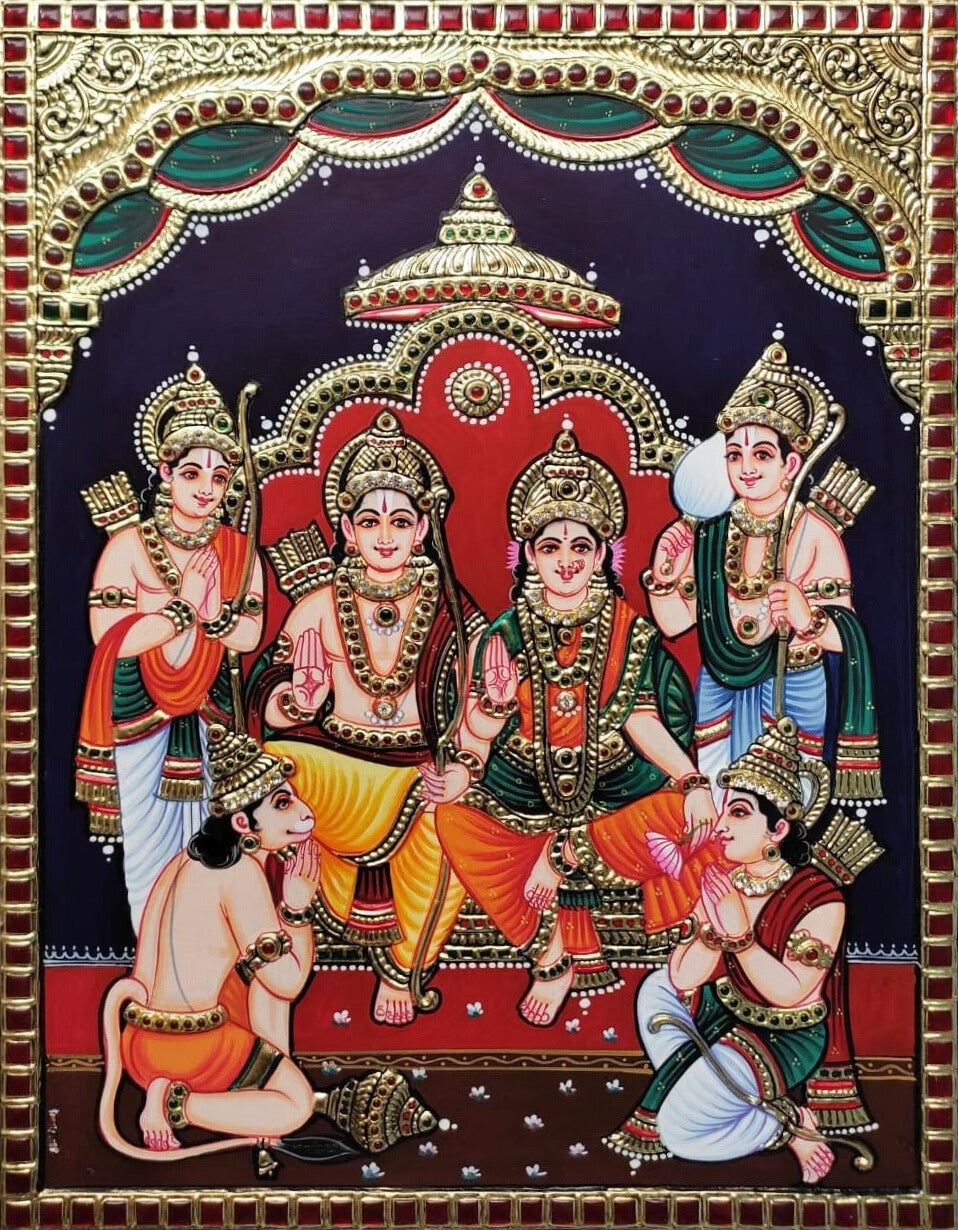
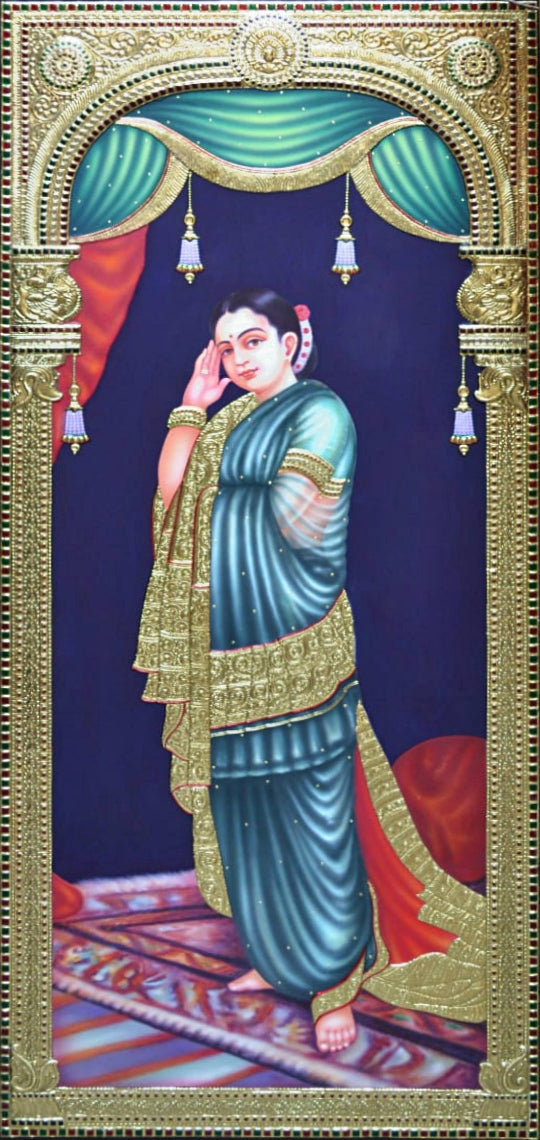
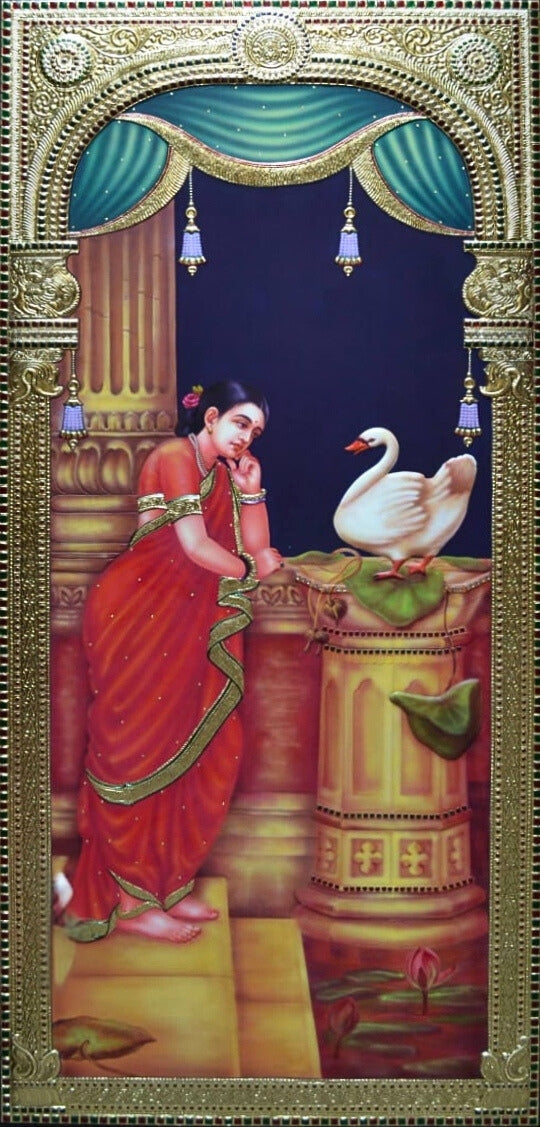
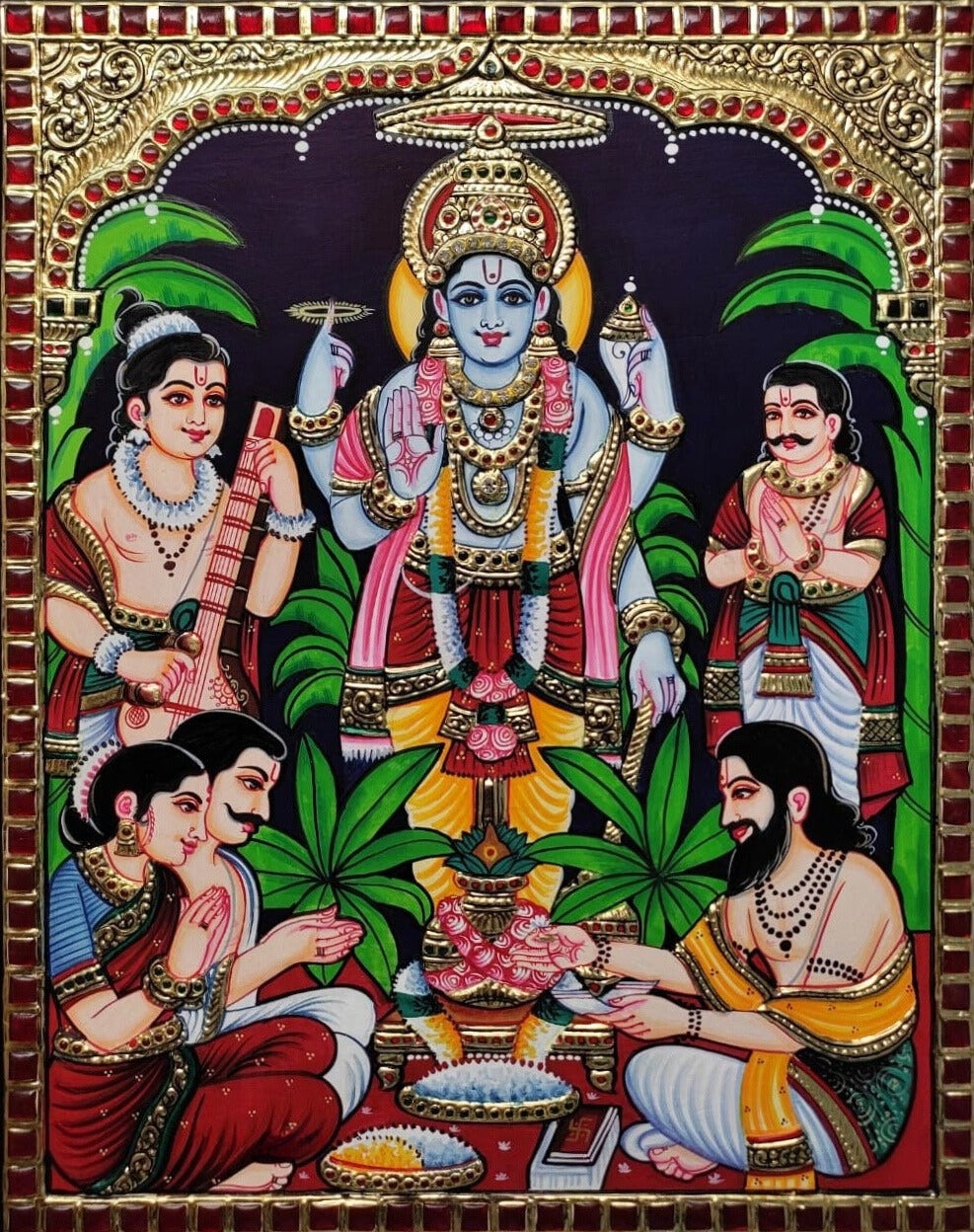
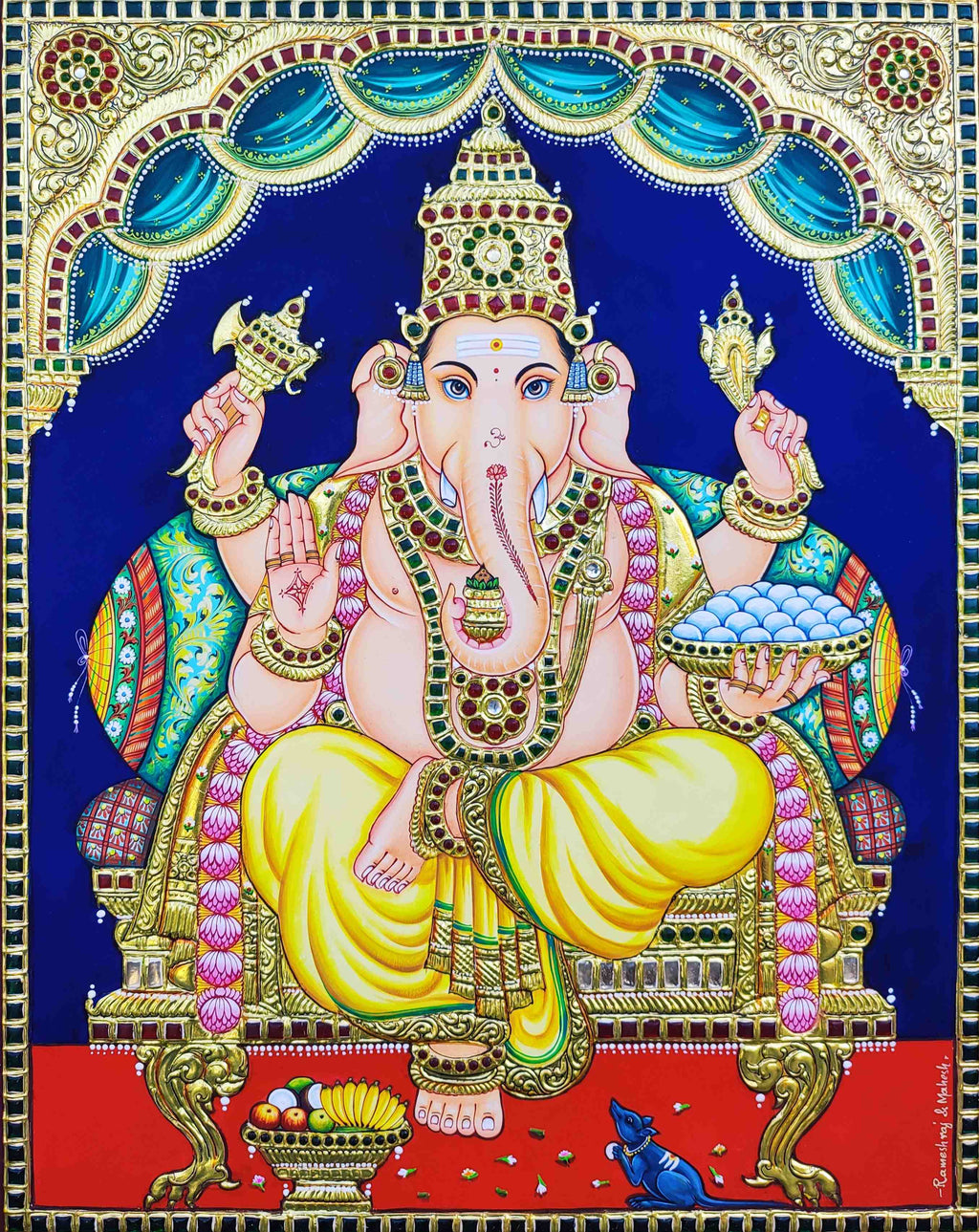
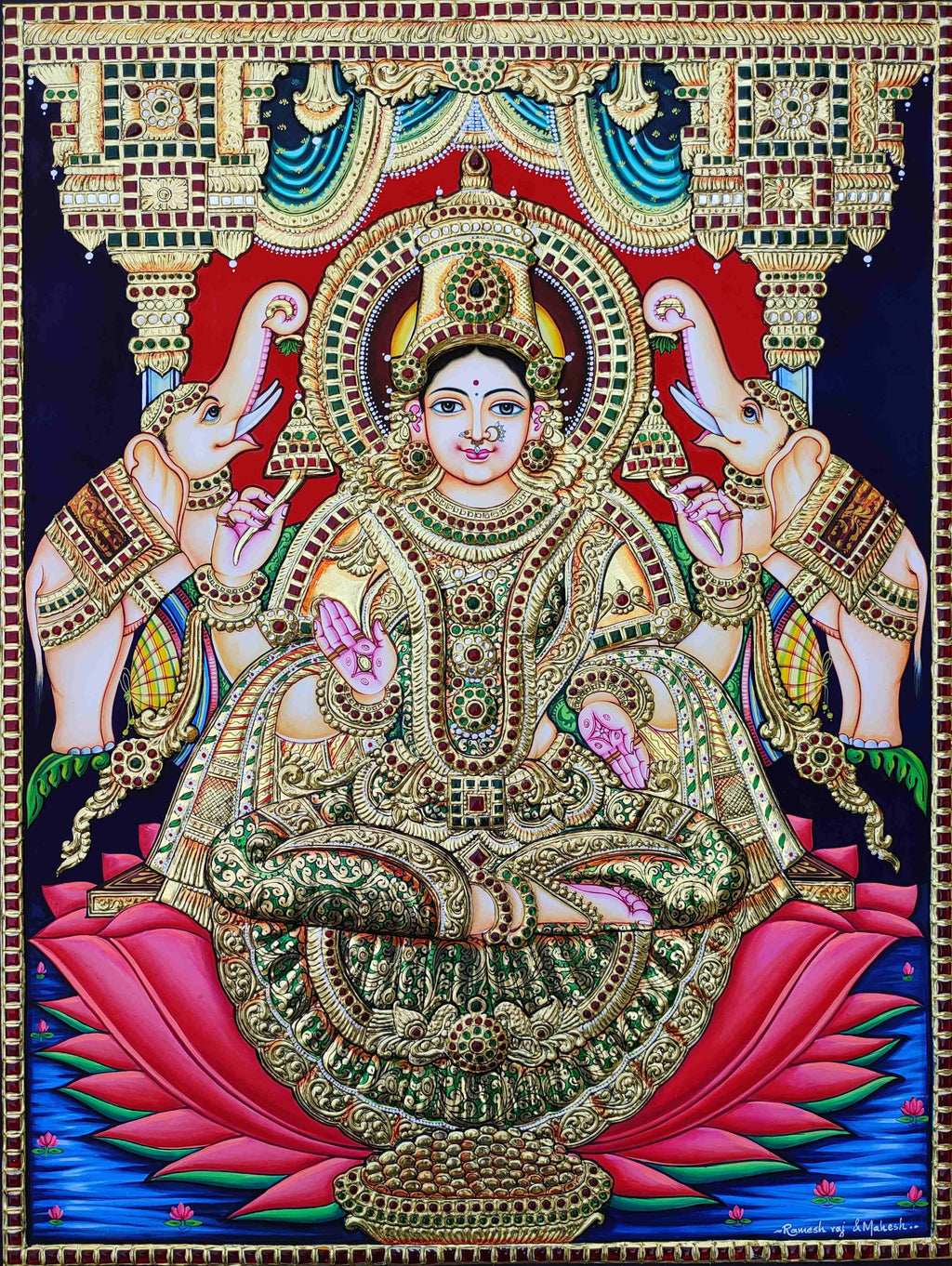
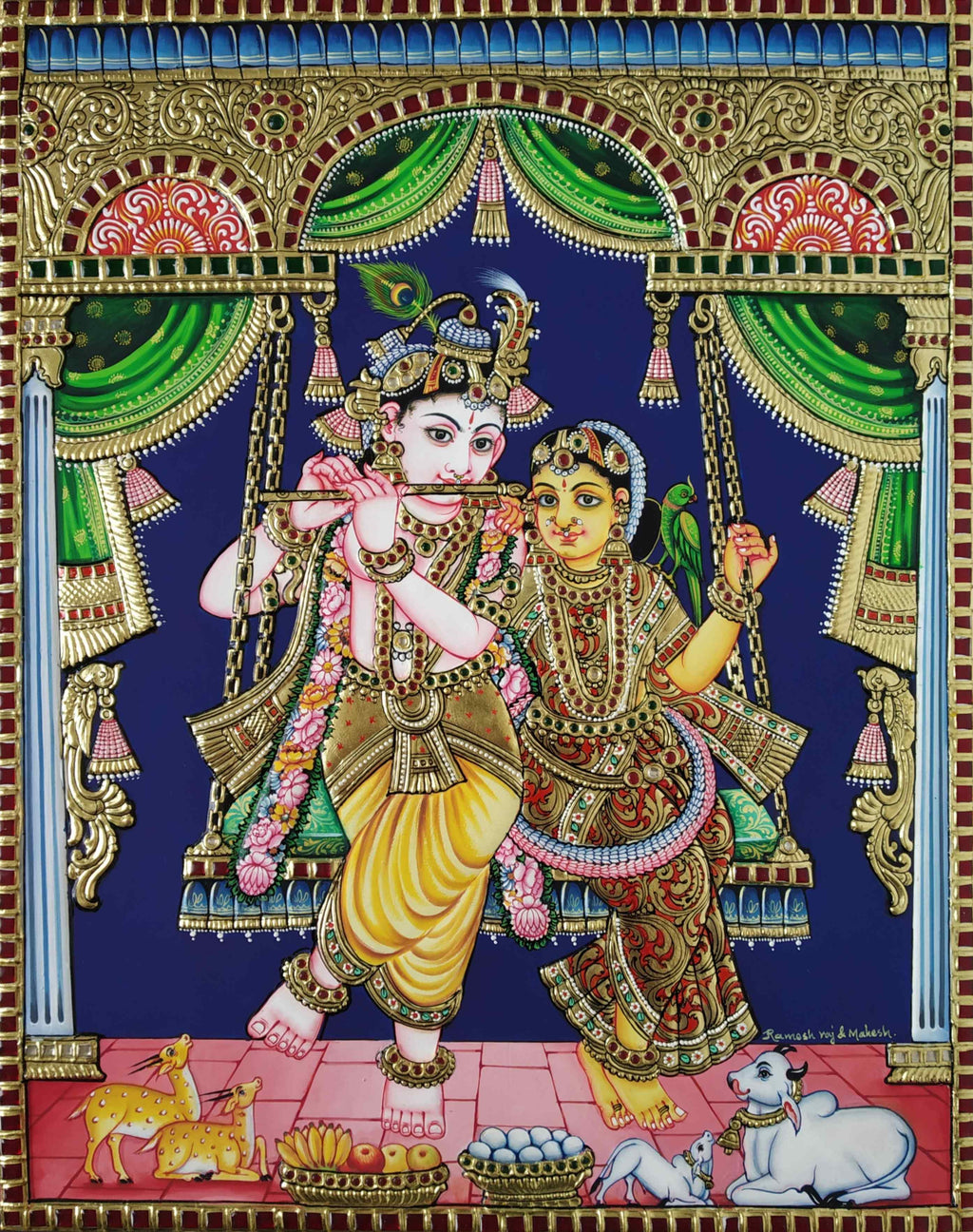
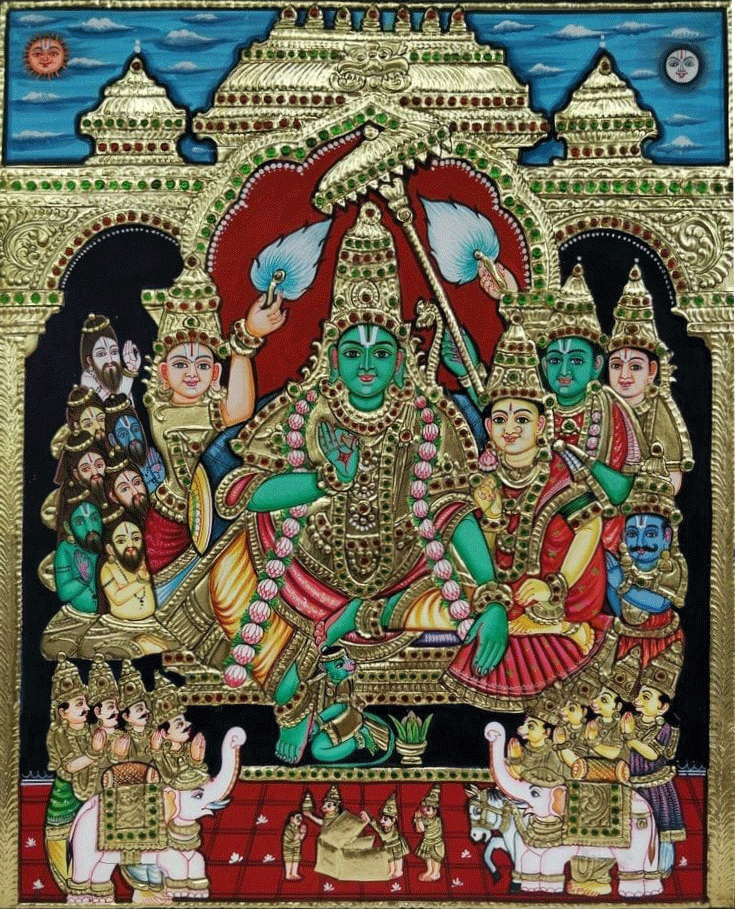
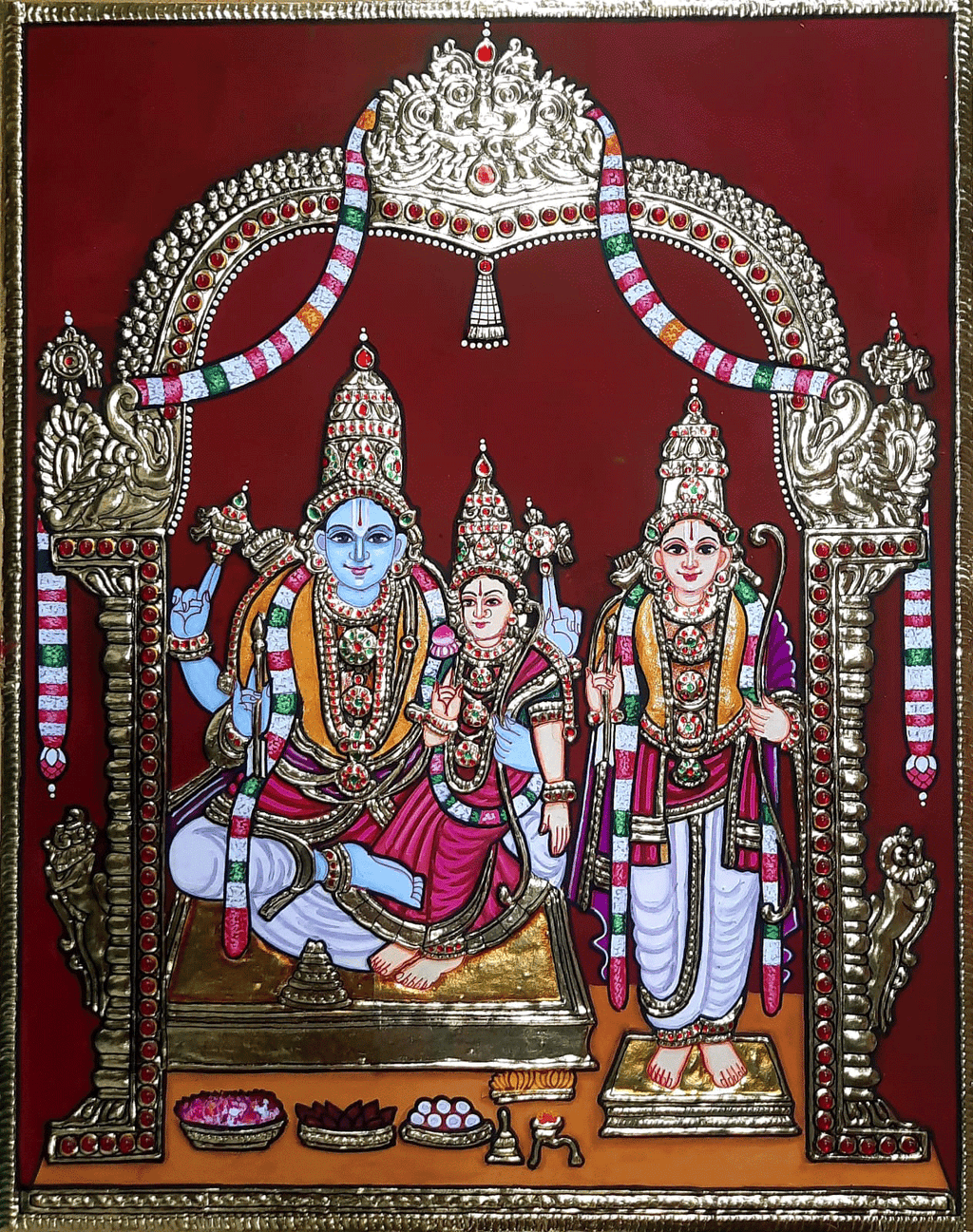
Tanjorepainting is a classical South Indian art form that originated in Thanjavur, Tamil Nadu. It developed during the rule of the Maratha rule in Thanjavur and the later Nayaka period of Thanjavur. Known for its rich colours, surface relief work and lavish use of gold foil, Tanjore paintings are deeply rooted in devotional traditions and temple culture. Traditionally created on wooden panels, these paintings primarily depict Hindu deities, saints and mythological scenes, radiating a sense of divinity and grandeur. A defining feature of this art form is its embossed ornamentation, where gold foil and semi-precious stones are used to highlight jewellery and architectural details. It is one of India’s most celebrated classical art forms, admired for its craftsmanship, spiritual depth and timeless aesthetic.
Explore authentic Tanjorepaintings handcrafted by skilled artists, celebrating one of South India's most iconic classical art traditions. Adorned with rich colours, embossed gold foil work, and intricate detailing, discover handmade Tanjore paintings featuring Ganesha, Krishna, Lakshmi, Saraswati, Shiva, Murugan, Balaji, and other revered deities. Whether you're looking to buy Tanjore paintings online for your pooja room, home decor, gifting, or art collection, each handcrafted artwork reflects the timeless beauty, devotion, and craftsmanship that have defined Tanjore painting for centuries.
Key Features of Tanjore Paintings
Tanjore paintings are renowned for their opulent gold embellishments, vivid colours and devotional themes which reflect South India’s temple traditions. Some defining features of this art form include:
Rich Use of Gold Foil and Embossed Relief Work
Vibrant and Contrasting Colours
Depictions of Hindu Deities and Mythological Scenes
Symmetrical and Frontal Compositions
Ornate Jewellery, Crowns, and Decorative Detailing
Representation of Divine Grandeur and Sacred Storytelling
History of Tanjore Paintings
Origin of Tanjore Paintings
Tanjore painting originated in the historic town of Thanjavur in Tamil Nadu around the 16th century under the patronage of the Nayaka rulers of the Vijayanagara Empire. Deeply tied to the Bhakti (devotional) movement, these artworks were traditionally created on wooden planks (Palagai Padam) as sacred objects for temples and home shrines. They used iconic three-dimensional gesso relief work, vibrant natural colors, and pure gold leaf to make deities appear as a glowing, majestic presence.
Evolution of Tanjore Paintings
The transition of Tanjore art into its most recognizable, opulent form occurred during the Maratha rule of Thanjavur (1676 - 1855), particularly under the visionary patronage of Maharaja Sarfoji II. Maratha court artists, primarily from the Raju and Naidu communities, elevated the craft by introducing intricate embellishments like inlaid semi-precious gems, glass beads and expansive gold foil overlays. Over the centuries, the art form adapted to shifting socio-political climates, introducing portable formats on paper, glass and canvas to appeal to colonial and mercantile patrons while meticulously retaining its classic technical framework.
Contemporary Tanjore Paintings
Today, Tanjore painting is recognized as one of India's most celebrated classical art traditions, protected under a Geographical Indication (GI) tag. Modern Tanjore artists and family ateliers continue to safeguard the painstaking process of gesso embossing and gold leafing. While classic depictions of Hindu deities like the infant Krishna remain highly sought after, contemporary practitioners are experimenting with diverse secular themes, customized portraits and minimalist color palettes, bridging the gap between ancient sacred spaces and modern luxury interiors.
Tanjore Painting Themes and Motifs
Tanjore painting's themes draw inspiration from devotion, mythology, temple traditions and sacred symbolism. Through radiant colours and gold embellishments artists transform these themes into divine visual narratives that celebrate the grandeur of Hindu iconography.
Hindu Deities and Divine Icons
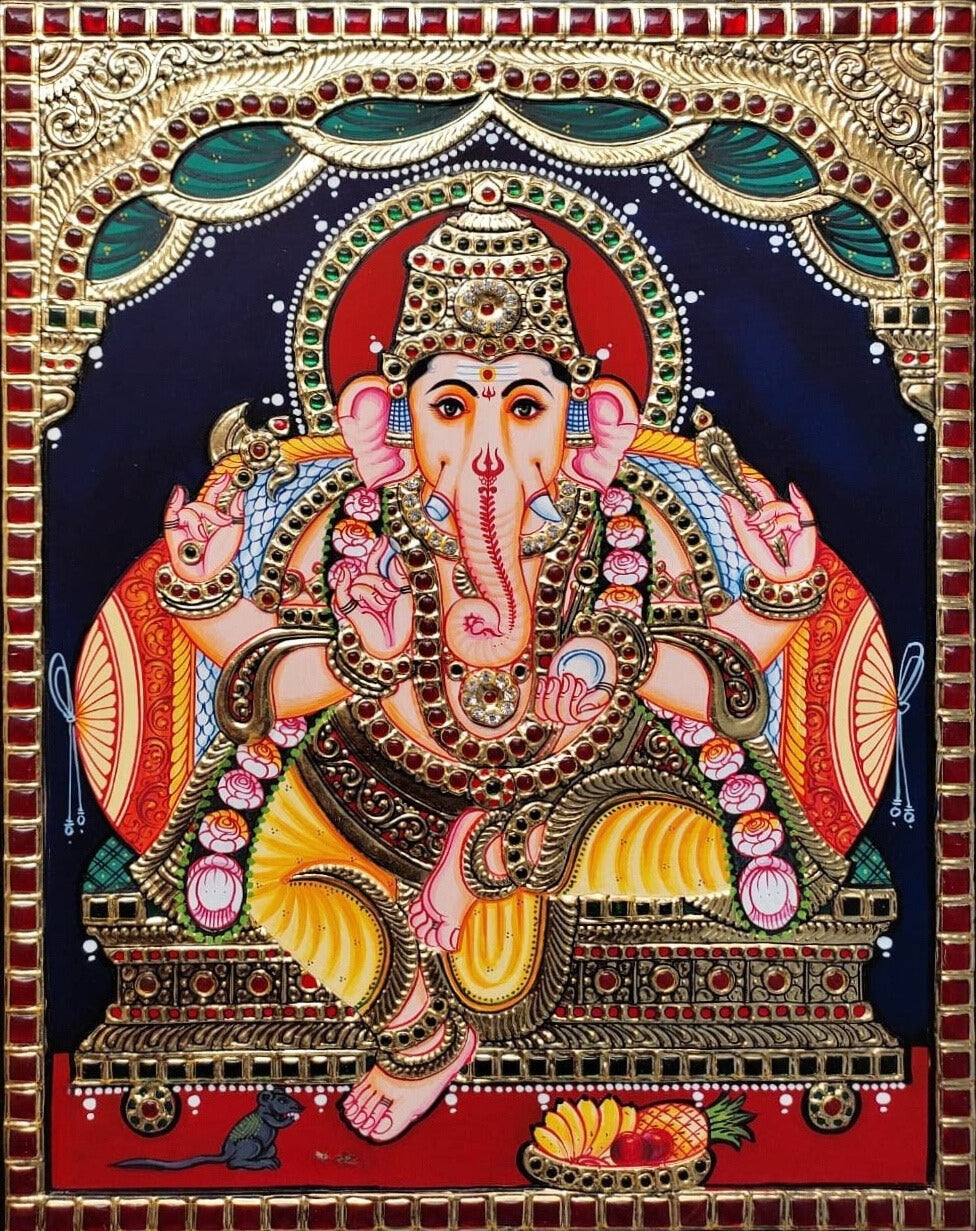
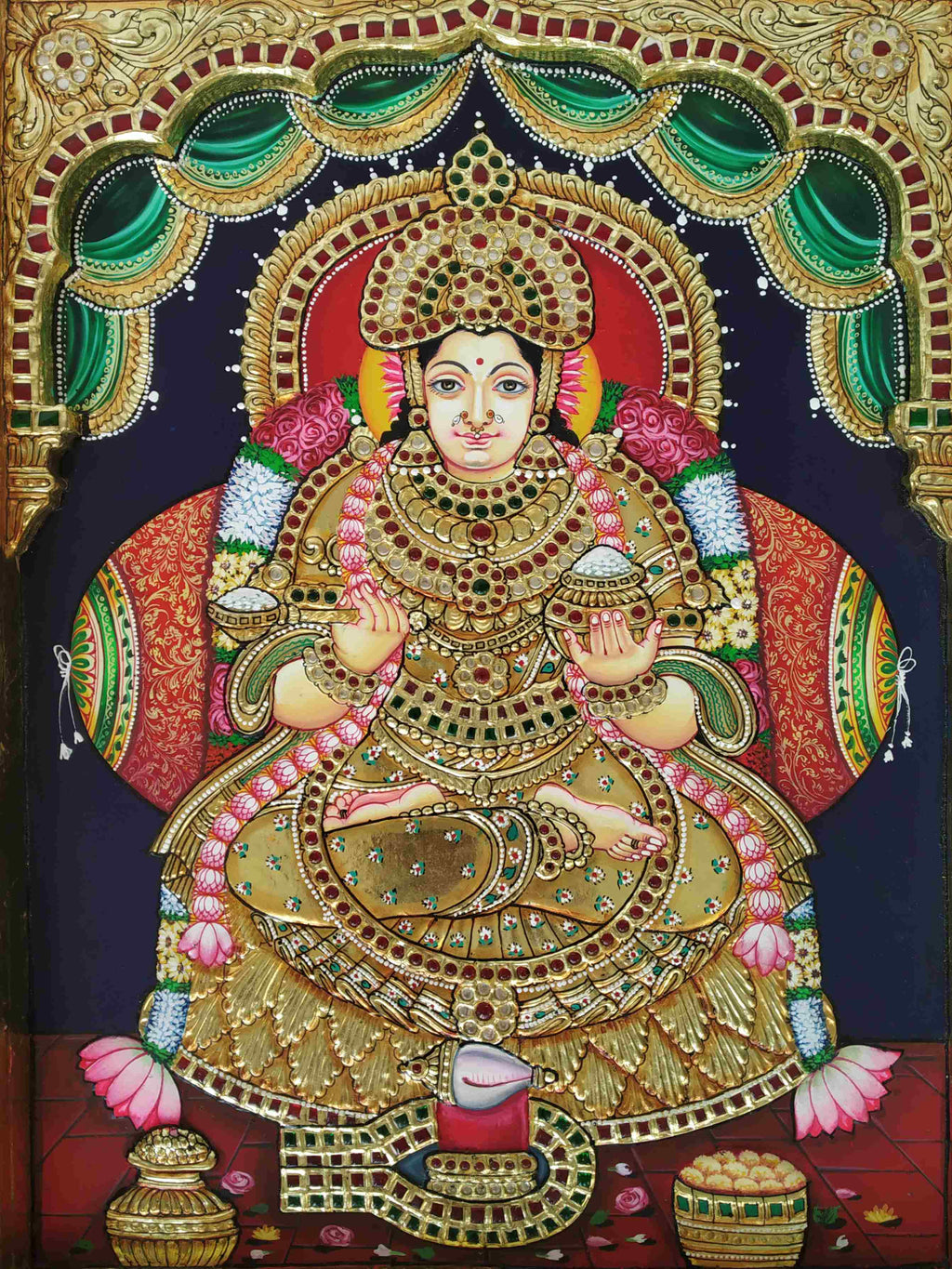
At the heart of Tanjore art are depictions of Hindu gods and goddesses such as Krishna, Lakshmi, Ganesha, Saraswati and Shiva. These figures are often portrayed in majestic frontal poses, emphasising their divine presence and making the painting an object of worship as much as art.
Mythological Narratives
Scenes from the epics Ramayana and Mahabharata are common themes in Tanjore paintings. Episodes of devotion and heroism are rendered with elaborate detail, preserving religious stories through visual representation.
Temple Architecture
Temple-inspired arches, known as prabhavali, are a recurring motif in Tanjore paintings. These ornate frames create a sanctified space around the deity, echoing the architecture of temples in Tamil Nadu and enhancing the spiritual aura of the composition.
Lotus, Lamps and Auspicious Symbols
Sacredsymbols such as the lotus, oil lamps, conch shells and ceremonial vessels frequently appear in Tanjore art. These motifs represent purity, enlightenment, prosperity and divine blessings.
Royal Grandeur and Ornamentation
A defining characteristic of Tanjore paintings is their emphasis on divine opulence. Crowns, jewellery, thrones, and garments are richly decorated with gold foil as well as semi-precious red and green stones, symbolising celestial wealth and the magnificence of the gods.
Materials Used in Tanjore Paintings
Traditionally, Tanjore paintings were crafted on solid wooden planks cut from jackfruit or teak wood, which were wrapped in cotton fabric and treated with a special paste made from chalk and tamarind seed powder. Contemporary artists continue to use this distinct foundation, known as Palagai Padam, while incorporating high-quality gold foil, semi-precious stones and glass beads to create the signature raised, shimmering finish that defines the art form.
Colours Used in Tanjore Paintings
Blue: Historically derived from natural minerals or indigo, a rich dark blue is frequently used for backgrounds or to depict the complexion of divine figures like Lord Krishna and Vishnu.
Red: Sourced from mineral pigments like cinnabar (Hingula), red is a dominant backdrop color that provides a striking contrast against the gold work and highlights the central deities.
Yellow: Extracted from turmeric or yellow ochre, yellow is used for secondary clothing details, halos and to echo the warmth of the surrounding gold.
White: Made from ground seashells or chalk paste, white is essential for painting the intricate jewelry, pearl strings, clothing highlights and the serene faces of the deities.
Gilded Gold: While not a painted color, pure 22-karat gold leaf is applied meticulously over the raised structures, reflecting light to give the painting its signature sacred glow.
How Tanjore Paintings are Made
A Tanjore painting begins with a precise freehand sketch of the deity on the prepared fabric-covered wooden board. Next, a paste of chalk powder and Arabic gum (Sukkan Kal) is used to create relief work, lifting the jewelry, crowns and architectural arches into a three-dimensional form. Semi-precious gems and glass beads are embedded directly into this wet paste. Once dry, thin sheets of gold leaf are carefully pressed and cut over the relief work. Finally, the un-gilded areas are filled in with vibrant colors, and fine brush strokes are used to paint the delicate facial features of the central figure.
Famous Tanjore Artists
Dr. J. Dundaraja
Dr. J. Dundaraja is a contemporary Tanjore artist known for preserving the classical traditions of the art form while refining its intricate craftsmanship. His works often feature richly adorned depictions of Hindu deities, marked by detailed relief work, precise gold foil application and a strong adherence to traditional iconographic principles. Through his paintings, he continues to uphold the devotional and aesthetic legacy of Tanjore art.
Hemalatha B
Hemalatha B is recognized for her elegant Tanjore compositions that emphasize grace, symmetry and spiritual expression. Her paintings frequently portray Krishna, and the Goddesses Lakshmi and Saraswati, enriched with vibrant colours and ornate gold embellishments. Her work reflects a balance between traditional techniques and contemporary artistic sensitivity.
M. Mahesh
M. Mahesh is known for creating detailed Tanjore paintings rooted in classical South Indian temple traditions. His artworks often highlight divine figures framed by temple arches, elaborate jewellery and intricate gemstone work. His style reflects a deep understanding of the spiritual symbolism and ornamental richness that define Tanjore painting.
R. Jayanthan
R. Jayanthan’s Tanjore paintings are admired for their refined craftsmanship and emphasis on devotional storytelling. His compositions often draw from scenes of Hindu mythology and sacred epics, presenting them with vivid colours, embossed textures, and radiant gold leaf detailing. His work contributes to keeping the narrative tradition of Tanjore painting alive.
Sanjay Tandekar
Sanjay Tandekar is a contemporary artist whose Tanjore works blend traditional iconography with expressive detailing. Known for his meticulous ornamentation and rich use of gold foil, his paintings often depict divine grandeur and ceremonial splendour. His art reflects the enduring appeal of Tanjore painting in both sacred and decorative contexts.
Tanjore Paintings for Home Decor
Tanjore paintings are a timeless choice for home decor because of their radiant gold detailing, stone work, vibrant colours and deep spiritual significance. Featuring motifs such as Hindu deities, temple arches, lotuses, lamps and mythological scenes, these artworks bring elegance, and cultural richness into both traditional and contemporary interiors. Their embossed textures and luminous gold foil create striking visual focal points, adding a sense of grandeur to any space.
Whether displayed in living rooms, puja rooms, entrances, study spaces or gallery walls, Tanjore paintings enhance interiors with a sacred and regal presence while celebrating India’s rich classical artistic heritage. Their handcrafted nature and devotional symbolism make them ideal for homeowners seeking meaningful and visually opulent decor.
Tanjore Paintings for Gifting
Tanjore paintings make meaningful giftsfor weddings, anniversaries, housewarmings, festivals and religious celebrations. Rich in symbolism and handcrafted beauty, these artworks combine spiritual significance with artistic excellence, making them cherished gifts for art collectors, devotees and lovers of Indian heritage.
Popular motifs such as Ganesha, Lakshmi, Krishna and lotus imagery are often associated with prosperity, wisdom, devotion and blessings. Whether gifted as framed artworks, sacred wall pieces or ceremonial decor, Tanjore paintings offer a unique blend of tradition, spirituality and timeless craftsmanship.
FAQs About Tanjore Paintings
What is Tanjore painting famous for?
Tanjore painting is famous for its rich gold foil work, embossed relief detailing, vibrant colours and devotional themes. Originating in Thanjavur, this classical South Indian art form is best known for depicting Hindu deities, mythological scenes and sacred symbols with grandeur and intricate craftsmanship.
Does Tanjore painting have a GI Tag?
Yes. Tanjore painting has received Geographical Indication (GI) status, recognising it as a traditional art form native to Thanjavur, Tamil Nadu. The GI tag helps preserve the authenticity of the art form while supporting the artisans who continue to practice this centuries-old tradition.
What types of Tanjore paintings can I buy?
Tanjore art is available in a variety of themes, including depictions of Ganesha, Lakshmi, Krishna, Saraswati, mythological scenes from the Ramayana and Mahabharata, temple-inspired compositions and custom devotional portraits. These artworks come in different sizes and styles suitable for homes, offices as well as personal or gallery collections.
Are Tanjore paintings suitable for home decor and gifting?
Absolutely. Tanjore paintings are ideal for living rooms, puja rooms, entrances, study spaces and meditation corners because of their spiritual presence and luxurious visual appeal. Their rich symbolism and handcrafted beauty also make them meaningful gifts for weddings, anniversaries, housewarmings, festivals and religious occasions.
Where can I buy authentic Tanjore paintings online?
MeMeraki’s Tanjore Art Collection features authentic handcrafted artworks created by skilled contemporary Tanjore artists. From traditional deity portraits and mythological narratives to ornate temple-inspired compositions, the collection showcases the craftsmanship, devotion and heritage of this timeless South Indian art form.
How can you identify an authentic Tanjore painting?
Authentic Tanjore paintings are distinguished by their handcrafted relief work, the use of gold foil, vibrant colours, and detailed depictions of Hindu deities, saints, and mythological scenes. Traditionally created on a wooden panel (Palagai Padam), they feature raised ornamentation made using gesso work, with intricate embellishments such as glass beads or decorative stones. Genuine Tanjore paintings are handcrafted by skilled artisans using traditional techniques passed down through generations. When buying Tanjore art, look for fine craftsmanship, balanced compositions, quality materials, and purchase from trusted sources that support authentic artisans and preserve the heritage of this classical South Indian art form.
Whether you’re looking to buy devotional Tanjore paintings, gold-embellished deity artworks, mythological scenes or sacred home decor, these timeless themes make Tanjore painting a distinctive choice for home decor, gifting, and art collections. MeMeraki brings to you this beautiful collection to explore and shop authentic Tanjore art online while celebrating India’s rich classical artistic legacy.
What is Tanjore Painting? Tanjore painting is a classical South Indian art form that originated in Thanjavur, Tamil Nadu. It developed during the rule of the Maratha rule in Thanjavur... Read More