What is Pattachitra Painting?
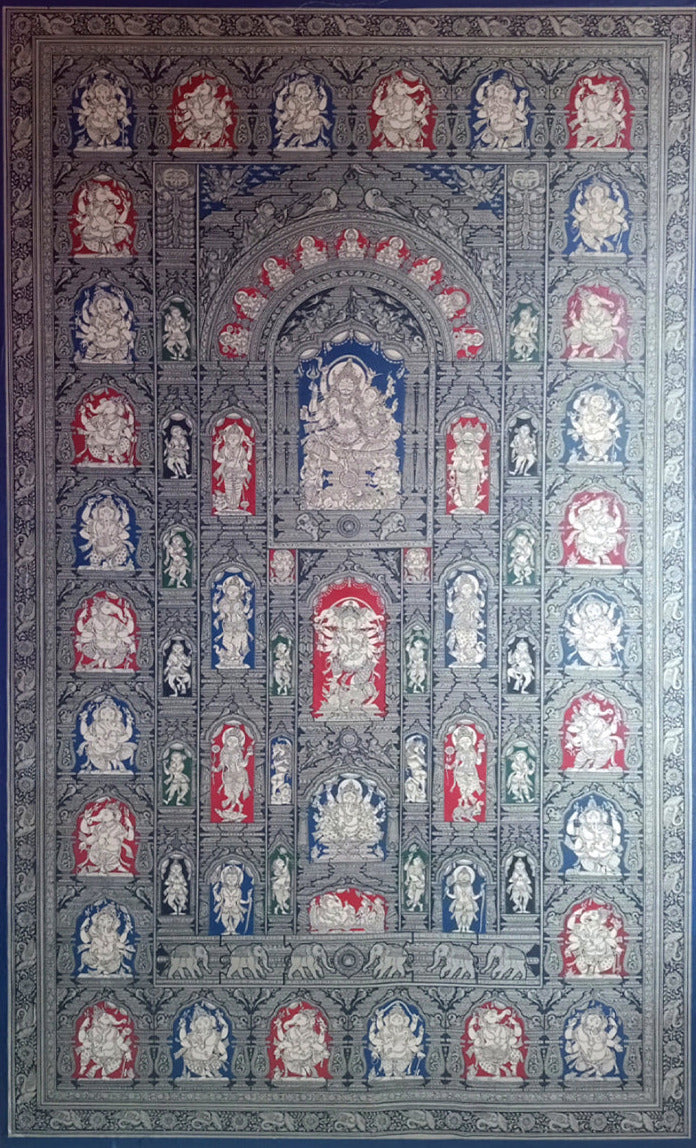
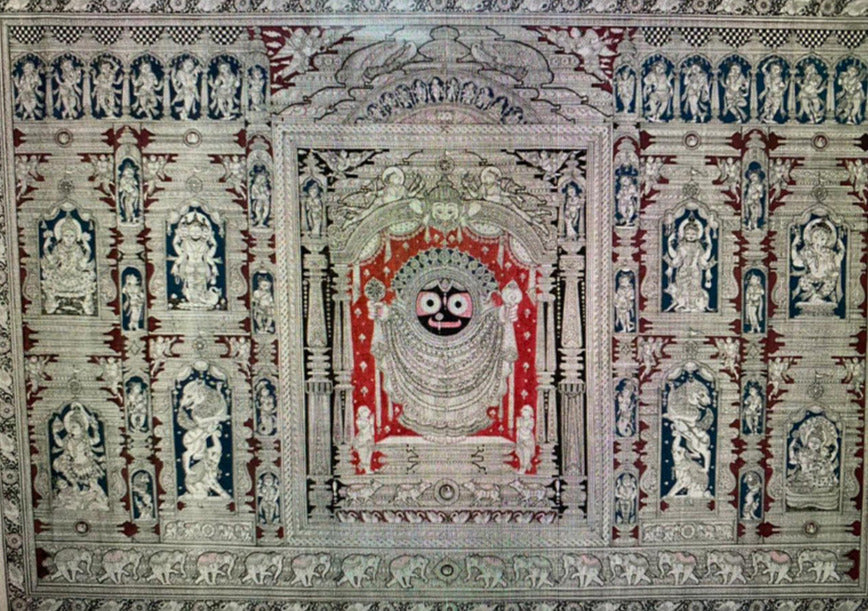
Pattachitra is a traditional Indian painting style that originated in the eastern states of Odisha and West Bengal. Derived from the Sanskrit words patta (cloth) and chitra (picture), the term literally means "painting on cloth." Known for its intricate linework, decorative borders, vibrant colours, and mythological themes, Pattachitra is one of India's oldest surviving painting traditions.
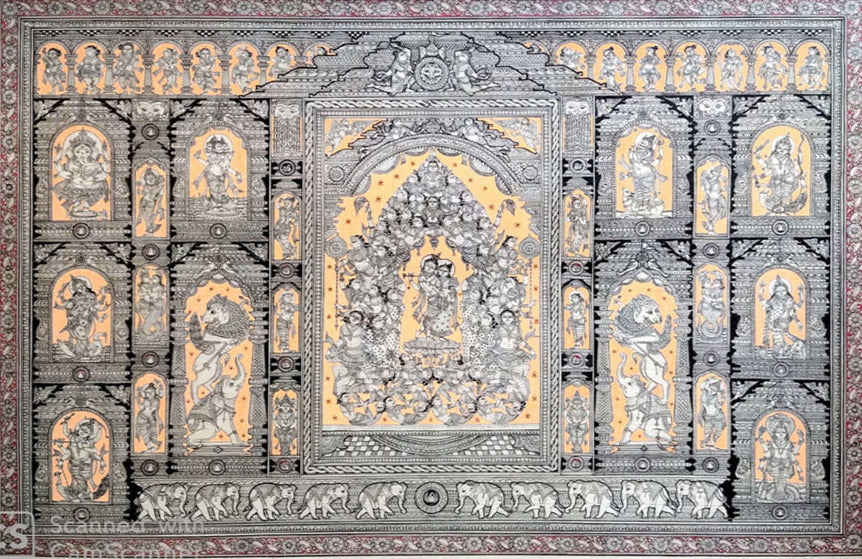
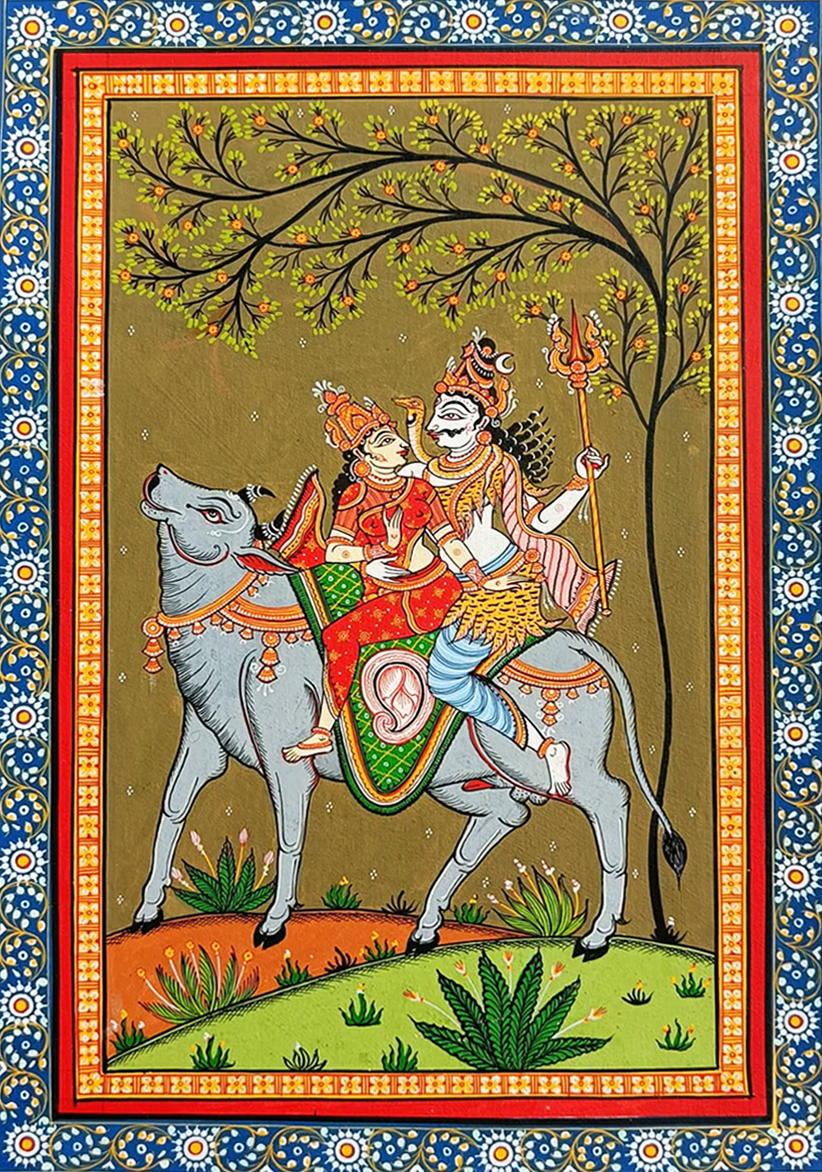
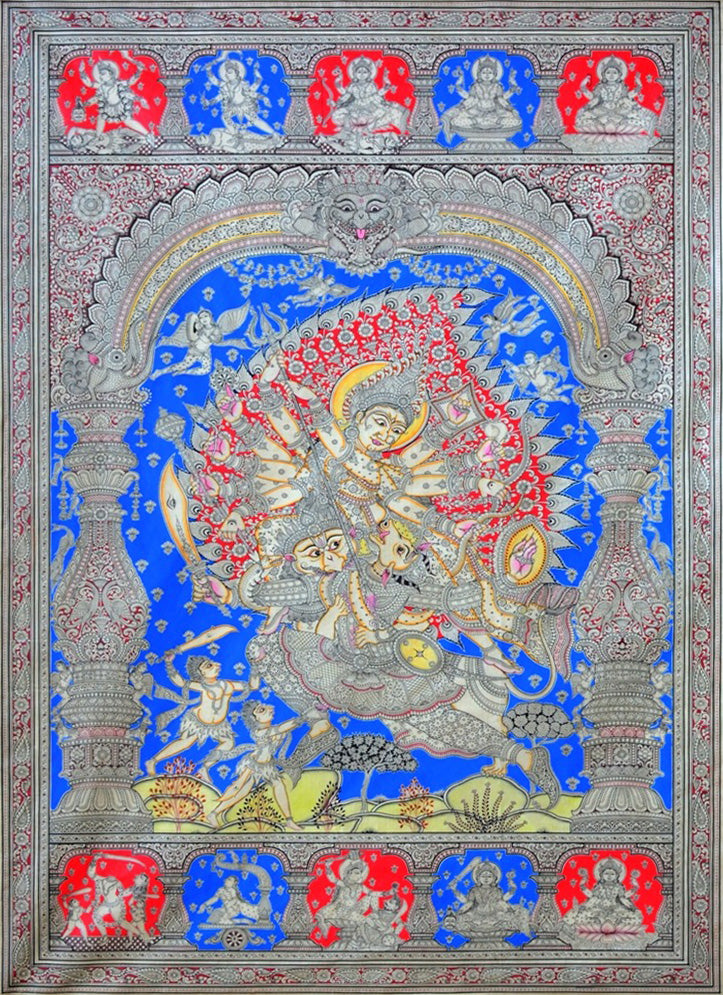
Deeply connected to temple culture and devotional practices, Pattachitra paintings often depict Jagannath, Krishna, Ganesha, Shiva, Durga and episodes from the Ramayana and Mahabharata. Traditionally created by hereditary Chitrakar communities, the art form has evolved beyond its ritual origins and is now practiced on cloth, tussar silk, palm leaves, paper and wood. Today, handmade Pattachitra paintings are valued for their artistic craftsmanship, storytelling and cultural significance, making them popular choices for collectors, home decor and gifting.
Key Features of Pattachitra Painting
Pattachitra paintings are renowned for their intricate detailing, mythological themes and vibrant natural colours. Rich in symbolism and religious storytelling, these paintings preserve ancient traditions while transforming sacred narratives into visually elaborate compositions. Some defining features of this art form include:
- Fine and Detailed Line Work
- Decorative Borders and Ornamental Designs
- Use of Natural and Bold Colours
- Themes Based on Hindu Mythology
- Strong Association with Temple Traditions
- Symmetry and Precision in Composition
- Depictions of Gods, Goddesses and Sacred Stories
- Traditional Mediums like Cloth, Tussar Silk and Palm Leaf
- Deep Spiritual and Cultural Significance
- Storytelling Through Sequential Visual Narratives
History of Pattachitra Painting
Origin of Pattachitra Painting
Pattachitra is one of India's oldest painting traditions, with its roots closely linked to the Jagannath Temple culture of Odisha. Practiced by hereditary artisan communities known as Chitrakars, these paintings were traditionally created for religious purposes and as souvenirs for pilgrims visiting sacred sites. During rituals such as Anasara, when the idols of Jagannath, Balabhadra, and Subhadra were not available for public viewing, painted representations served as devotional substitutes, strengthening the art form's connection to temple traditions.
Evolution of Pattachitra Painting
Over time, Pattachitra evolved from a temple-based ritual practice into a widely recognised artistic tradition. While the earliest works were painted on specially prepared cloth, artists gradually expanded to mediums such as palm leaves, paper, wood, and tussar silk. Although the art adapted to new materials and audiences, its defining characteristics, intricate linework, vibrant colours, decorative borders and mythological storytelling, remained largely unchanged.
Contemporary Pattachitra Painting
Today, Pattachitra is celebrated both as a traditional craft and a collectible art form. Contemporary artists continue to preserve hereditary techniques while creating works suited to modern homes and collectors. Alongside classical depictions of Jagannath, Krishna, Ganesha, and scenes from the epics, Pattachitra can now be found on framed artworks, palm-leaf engravings, tussar silk paintings, decorative panels, and contemporary home decor, ensuring the tradition remains relevant while staying rooted in its rich cultural heritage.
Pattachitra Painting Themes and Motifs
The themes and motifs of Pattachitra painting are deeply rooted in devotion, mythology, and temple traditions. Through intricate detailing, vibrant colours, and decorative compositions, Pattachitra artists transform sacred stories into visually rich artworks that preserve cultural heritage and spiritual narratives. From depictions of deities and epic tales to symbolic motifs and ornamental designs, these themes continue to make Pattachitra one of India's most distinctive painting traditions.
Jagannath and Temple Traditions
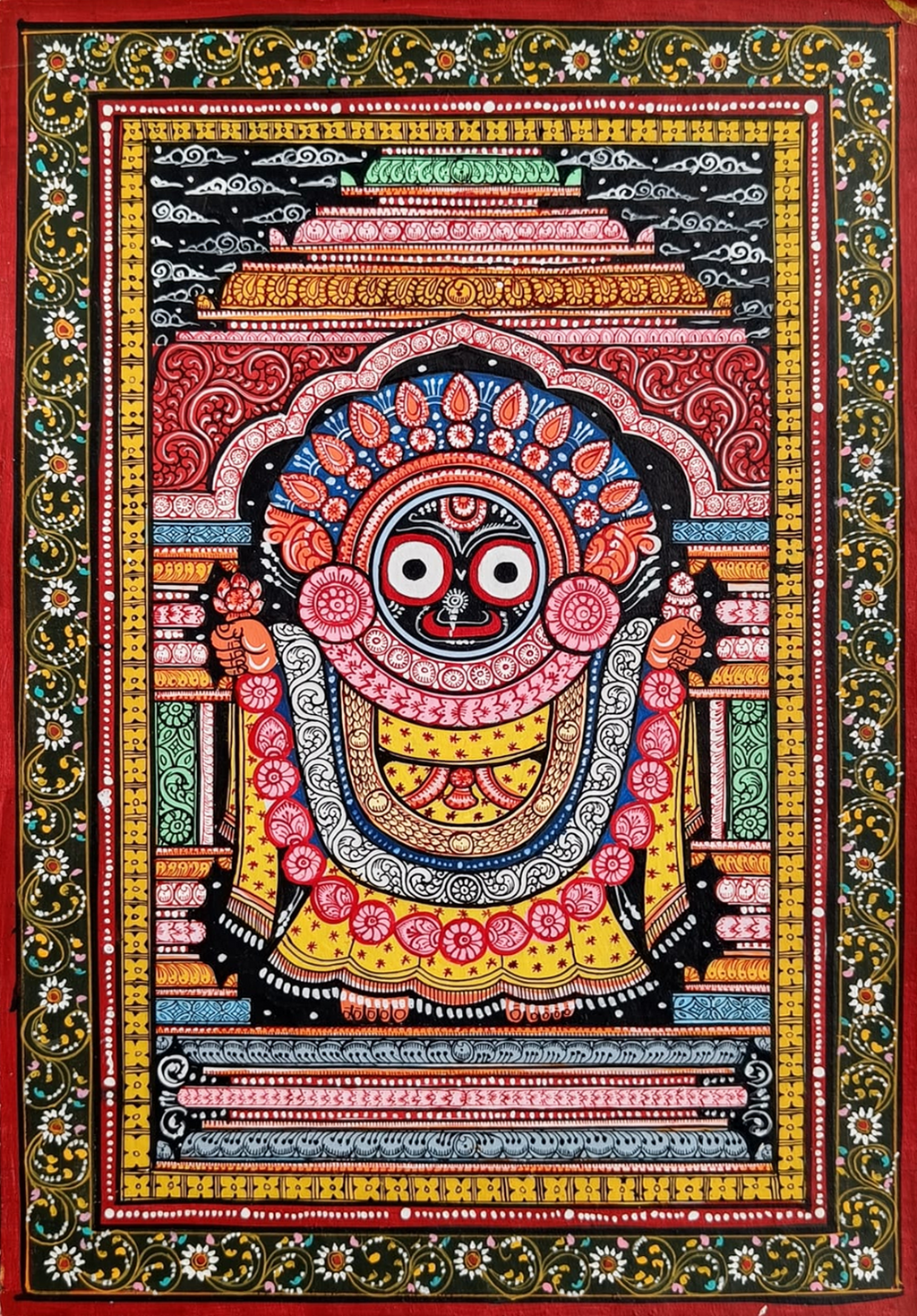
Jagannath, along with Balabhadra and Subhadra, is among the most important subjects in Pattachitra painting. Closely associated with the Jagannath Temple of Puri, these artworks often depict temple rituals, divine processions, and iconic representations of the deities. Jagannath Pattachitra paintings remain among the most sought-after themes for collectors and devotees alike.
Krishna Leela
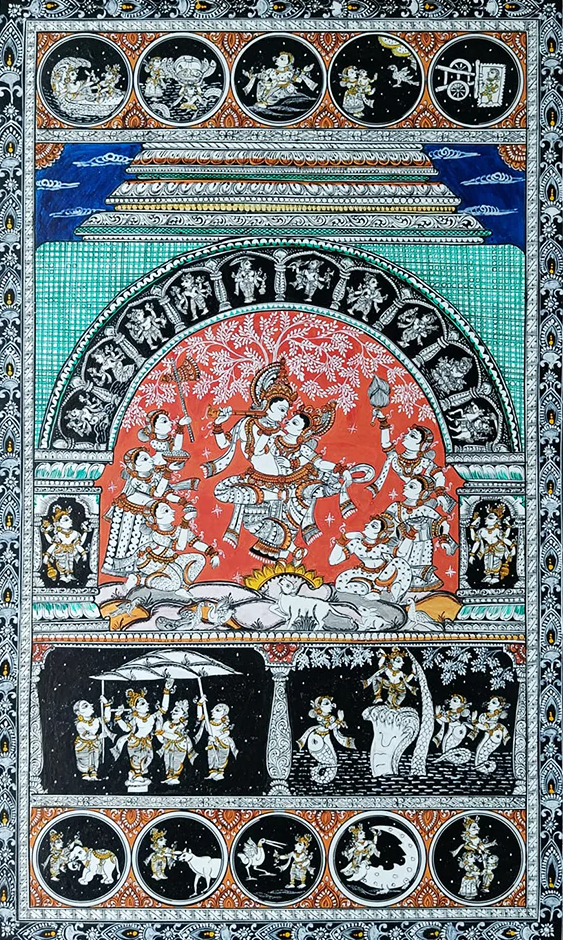
Stories from the life of Krishna are a recurring theme in Pattachitra art. Artists depict scenes such as Krishna's childhood adventures, Raas Leela, Kaliya Mardana, and other divine episodes that celebrate devotion, love, and spirituality. These vibrant narrative paintings are especially popular for home decor and gifting.
Epics and Mythological Narratives
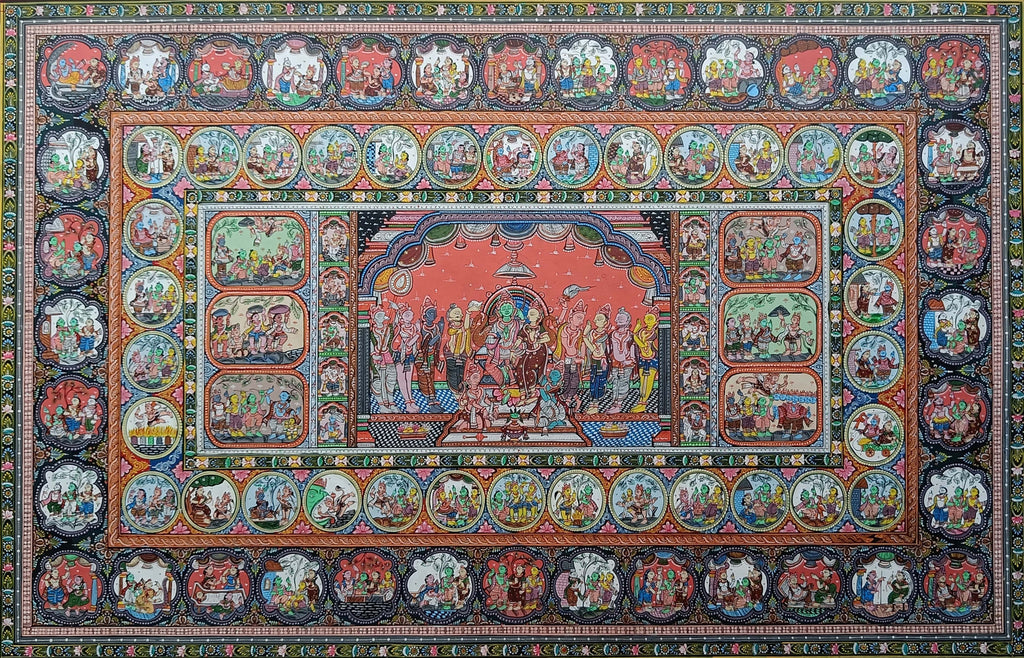
Pattachitra artists frequently illustrate scenes from the Ramayana and Mahabharata, transforming sacred literature into detailed visual narratives. Depictions of battles, divine interventions, coronations and heroic journeys preserve these timeless stories while showcasing the artist's mastery of composition and storytelling.
Divine Figures and Sacred Iconography
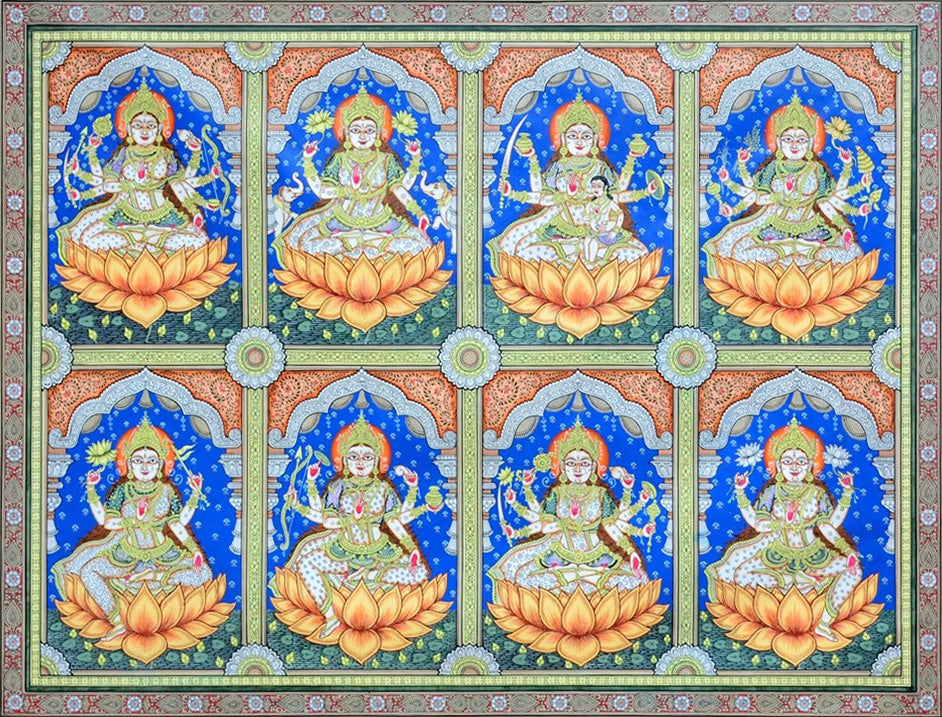
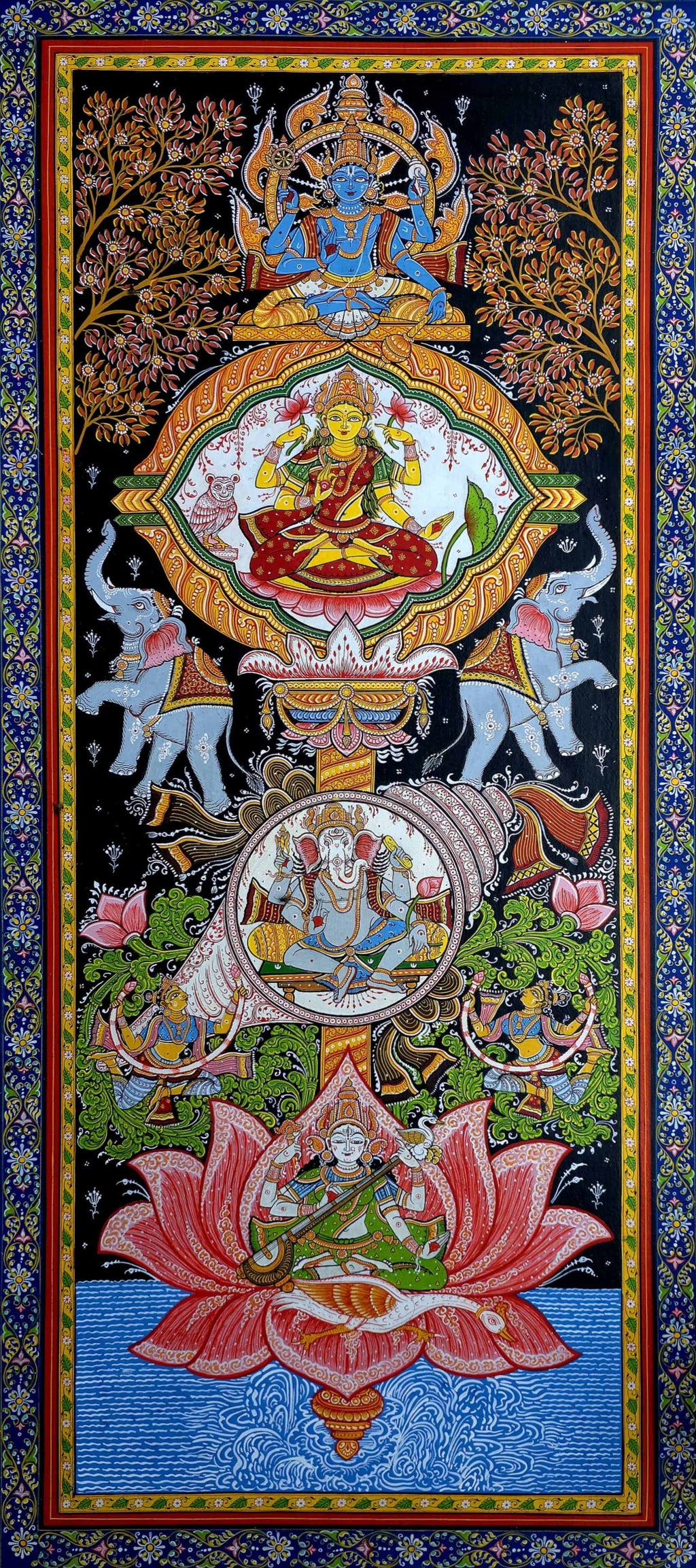
Apart from Jagannath and Krishna, Pattachitra paintings often feature deities such as Ganesha, Shiva, Durga, Saraswati and Lakshmi. Rendered with intricate ornamentation and symbolic attributes, these artworks serve as both devotional images and decorative masterpieces.
The Tree of Life and Nature Motifs
The Tree of Life is a popular motif in Pattachitra painting, symbolising creation, continuity, harmony and the interconnectedness of all life. Floral vines, lotuses, animals, birds and other nature-inspired elements frequently appear as decorative motifs, adding balance, beauty, and symbolism to the composition.
Decorative Borders and Ornamentation
One of the most recognisable features of Pattachitra is its elaborate decorative border. Floral patterns, geometric designs, scrollwork and ornamental motifs frame the central narrative, creating a sense of symmetry, discipline and visual richness that defines the art form.
From Jagannath Pattachitra paintings and Krishna Leela artworks to Tree of Life motifs, Ganesha paintings, and mythological narratives, Pattachitra offers a diverse range of themes for collectors, art enthusiasts and devotees. Explore and shop authentic Pattachitra paintings online to bring the timeless beauty of India's sacred storytelling traditions into your home.
Materials Used in Pattachitra Paintings
Traditional Materials
Traditional Pattachitra paintings are created using natural pigments derived from minerals, stones, plants, and organic materials. Artists work on specially prepared cloth (patta), tussar silk, palm leaves, paper, and wooden surfaces, using techniques that have been passed down through generations of Chitrakar artisans. These materials contribute to the vibrant colours, intricate detailing, and enduring beauty that make Pattachitra one of India's most distinctive painting traditions.
Colours Used in Pattachitra Paintings
White: Prepared from powdered conch shells, white is one of the most important colours in Pattachitra. It is used for outlining, detailing and creating ornamental highlights.
Black: Made from lamp soot or burnt coconut shells, black is used for bold outlines, defining forms and creating intricate details within the composition.
Red: Derived from hingula (cinnabar) or red ochre, red forms the dominant background colour in many Pattachitra paintings and symbolizes auspiciousness and devotion.
Yellow: Obtained from haritala (orpiment) or natural yellow earth, yellow is used for ornaments, garments and divine radiance.
Blue: Traditionally prepared from indigo, blue is often used for deities like Krishna and for symbolic skies or water elements.
Green: Made by mixing natural pigments or using plant extracts, green is used for vegetation, decorative vines and nature-based motifs.
Orange and Brown: Produced from mineral earths and mixed pigments, these shades are used for skin tones, ornaments and secondary decorative elements.
How Pattachitra Painting is Made
Pattachitra paintings begin with a carefully planned composition featuring deities, mythological narratives, or decorative motifs. Artists first prepare the painting surface before sketching the design freehand using precise outlines. The artwork is then filled with bold, flat colours, followed by intricate detailing that includes facial features, jewellery, garments, floral motifs, and decorative borders. The final stage involves adding fine linework and ornamental elements that give Pattachitra its signature elegance, symmetry, and visual richness. Through this meticulous process, artists transform sacred stories and cultural traditions into timeless works of art.
Famous Pattachitra Artists
Apindra Swain
Apindra Swain is a contemporary Pattachitra artist known for preserving the traditional visual language of Odisha’s sacred painting heritage. His works often depict divine figures such as Jagannath, Krishna and scenes from Hindu epics, rendered with meticulous line work, vibrant natural colours and elaborate decorative borders. His paintings reflect the devotional essence and disciplined craftsmanship of the Pattachitra tradition.
Gitanjali Das
Gitanjali Das is recognized for her finely detailed Pattachitra compositions that bring mythological narratives to life. Her artworks frequently feature deities, floral motifs and sacred iconography, emphasizing symmetry, precision and ornamental richness. Through her practice, she contributes to sustaining and reinterpreting this ancient tradition for contemporary audiences.
Pravat Maharana
Pravat Maharana belongs to the hereditary lineage of Chitrakar artists and is known for his mastery of traditional Pattachitra techniques. His paintings often focus on temple-inspired themes, especially representations of Jagannath and narrative scenes from the Ramayana. His work is marked by strong outlines, balanced composition and the intricate detailing characteristic of classical Pattachitra.
Purusottam Swain
Purusottam Swain is celebrated for his versatile approach to Pattachitra, working across cloth, tussar silk and palm leaf. His paintings often depict Ganesha, Shiva and Krishna Leela scenes, combining traditional iconography with decorative elegance. His art highlights the adaptability of Pattachitra while remaining rooted in its spiritual and cultural foundations.
Pattachitra Paintings for Home Decor
Pattachitra paintings are a popular choice for home decor because of their intricate craftsmanship, vibrant colours and rich mythological themes. Rooted in the artistic traditions of Odisha and West Bengal, these handmade artworks bring cultural depth, storytelling and visual elegance into contemporary and traditional interiors alike.
Whether displayed in living rooms, bedrooms, kitchens, pooja rooms or as part of a curated gallery wall, Pattachitra paintings create meaningful focal points that celebrate India's artistic heritage. Themes such as Jagannath, Krishna, Ganesha, the Tree of Life and scenes from the Ramayana and Mahabharata add both decorative beauty and spiritual significance to a space.
Available as framed artworks, palm-leaf engravings, tussar silk paintings, decorative panels, and wall hangings, Pattachitra art offers versatile decor solutions for different interior styles. From statement paintings in living rooms and serene devotional artworks for pooja rooms to smaller pieces for bedrooms, kitchens, and gallery wall displays, Pattachitra paintings bring timeless craftsmanship, colour and character into every corner of the home.
Pattachitra Paintings for Gifting
Pattachitra paintings make thoughtful and meaningful gifts for weddings, anniversaries, housewarmings, festive celebrations and special occasions. Celebrated for their intricate craftsmanship, mythological storytelling and cultural significance, these handmade artworks offer a unique alternative to conventional gifts while showcasing India's rich artistic heritage.
Popular themes such as Jagannath, Krishna, Ganesha, the Tree of Life and scenes from the Ramayana and Mahabharata are especially valued for their symbolic associations with prosperity, devotion, harmony and good fortune. Whether gifted as framed paintings, palm-leaf engravings, tussar silk artworks, or decorative wall hangings, Pattachitra creations combine artistic beauty with timeless cultural value, making them memorable gifts for art lovers, collectors, and anyone who appreciates traditional Indian craftsmanship.
FAQs About Pattachitra Paintings
What is Pattachitra painting famous for?
Pattachitra painting is famous for its intricate linework, vibrant natural colours, decorative borders, and mythological themes. Originating in Odisha and West Bengal, it is one of India's oldest painting traditions and is especially known for depictions of Jagannath, Krishna, Ganesha and scenes from Hindu epics.
Does Pattachitra painting have a GI Tag?
Yes. Odisha Pattachitra has received Geographical Indication (GI) status, recognising it as a traditional art form unique to the region. The GI tag helps preserve the authenticity of the craft while supporting the artisan communities that continue to practice and promote this centuries-old tradition.
What types of Pattachitra paintings can I buy?
Pattachitra artworks are available in a variety of themes and formats, including Jagannath paintings, Krishna Leela scenes, Ganesha and Shiva depictions, Tree of Life compositions, palm-leaf engravings, tussar silk paintings, framed artworks, and decorative wall hangings. These pieces are suitable for home decor, gifting, and art collections.
Is Pattachitra art suitable for home decor and gifting?
Absolutely. Pattachitra paintings are popular choices for living rooms, bedrooms, pooja rooms, gallery walls, and other interior spaces. Their rich storytelling, intricate craftsmanship and cultural significance also make them thoughtful gifts for weddings, anniversaries, housewarmings, festivals and special occasions.
Where can I buy authentic Pattachitra paintings online?
MeMeraki's Pattachitra Collection features authentic handmade artworks created by skilled Chitrakar artists. From traditional Jagannath paintings and Krishna Leela compositions to palm-leaf engravings and contemporary Pattachitra creations, the collection showcases the timeless beauty and craftsmanship of this celebrated Indian art form, making it the perfect stop for buyers looking to browse through and show handmade Pattachitra paintings.
Show Less